Check Out Our Latest Promotion
The toughest tools down the line.™
Products
Support
Resources
Registration & Warranty
Tool Selector
That’s why General manufactures sewer and drain cleaning machines with the most durable components, from our Flexicore® wire rope center drain cables to our reinforced steel frames and drums for our large selection of drain cleaning machines. Whether you need to clear clogged sinks, tubs and laundry drains, or cut through tough root stoppages in main drain lines, General has a drain cleaning machine for you.
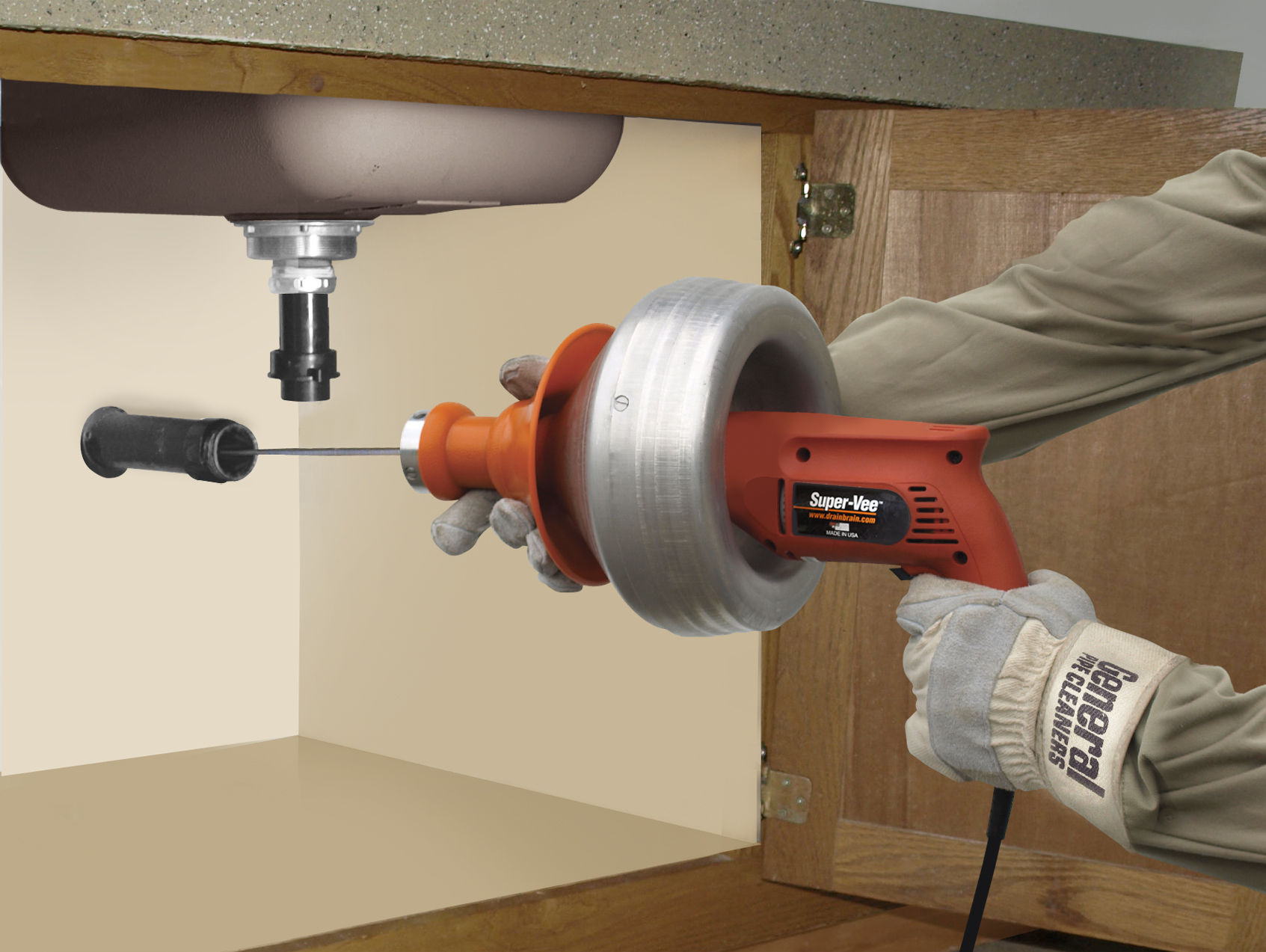
The Small Drain Specialists
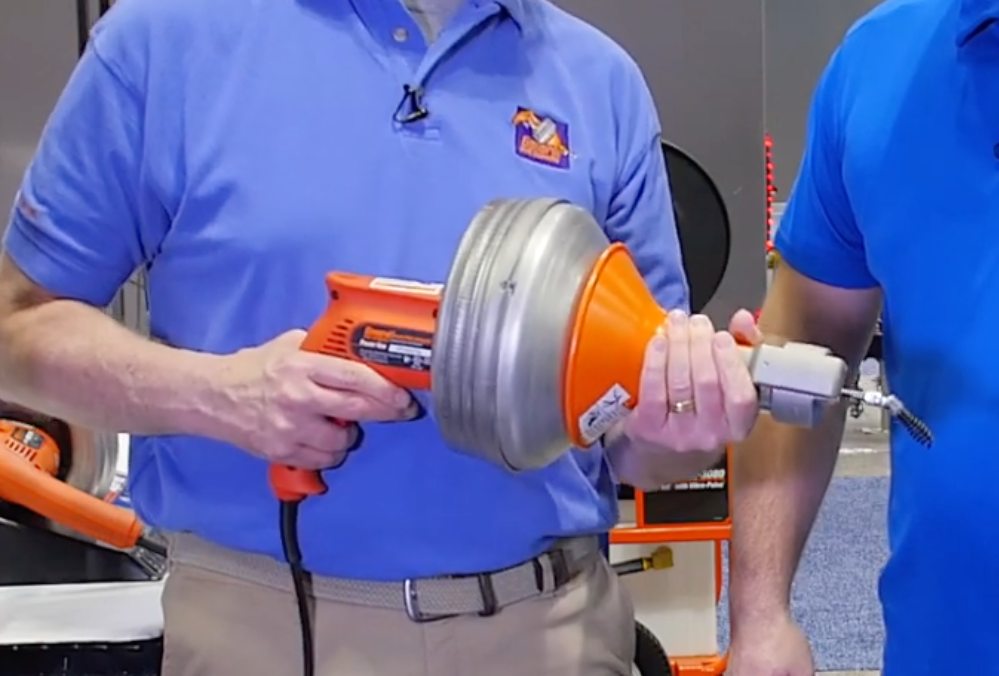
Automatic Feed – Faster and Easier
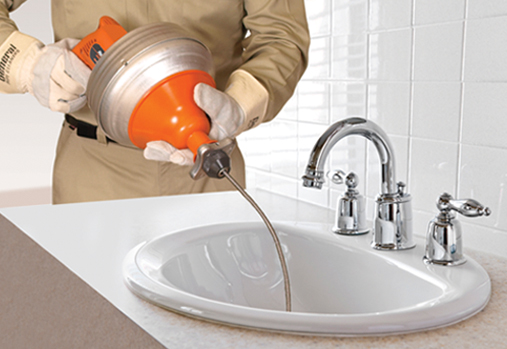
Economical Price – Quality Features
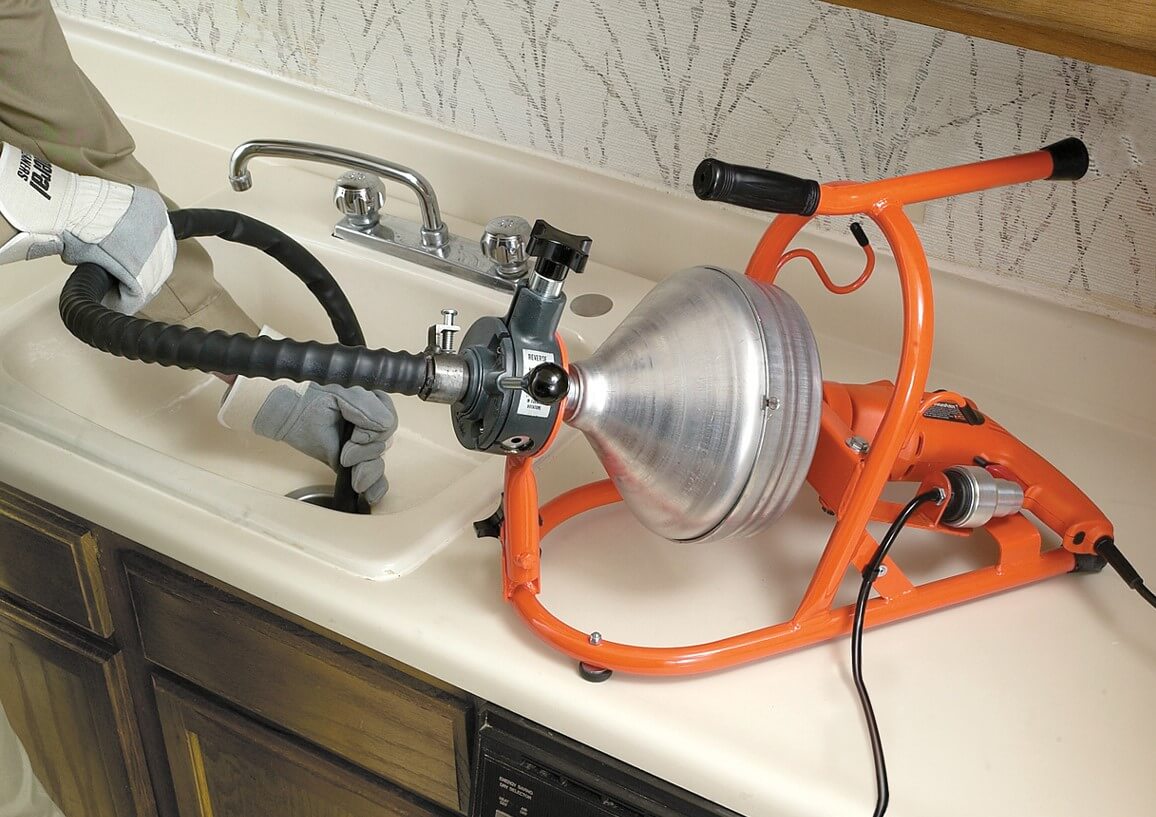
The Clean Machine
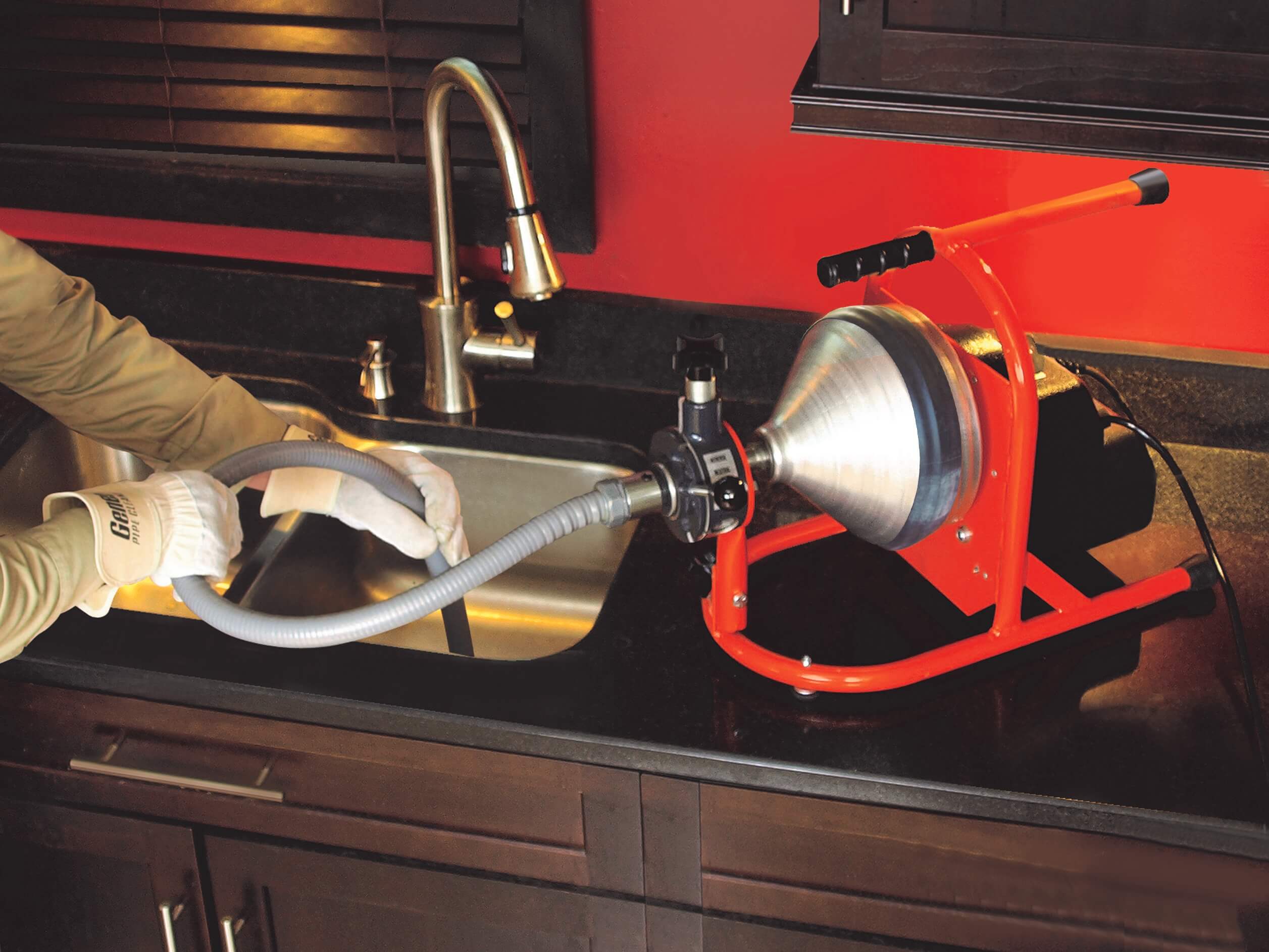
Quick, Clean, Quiet
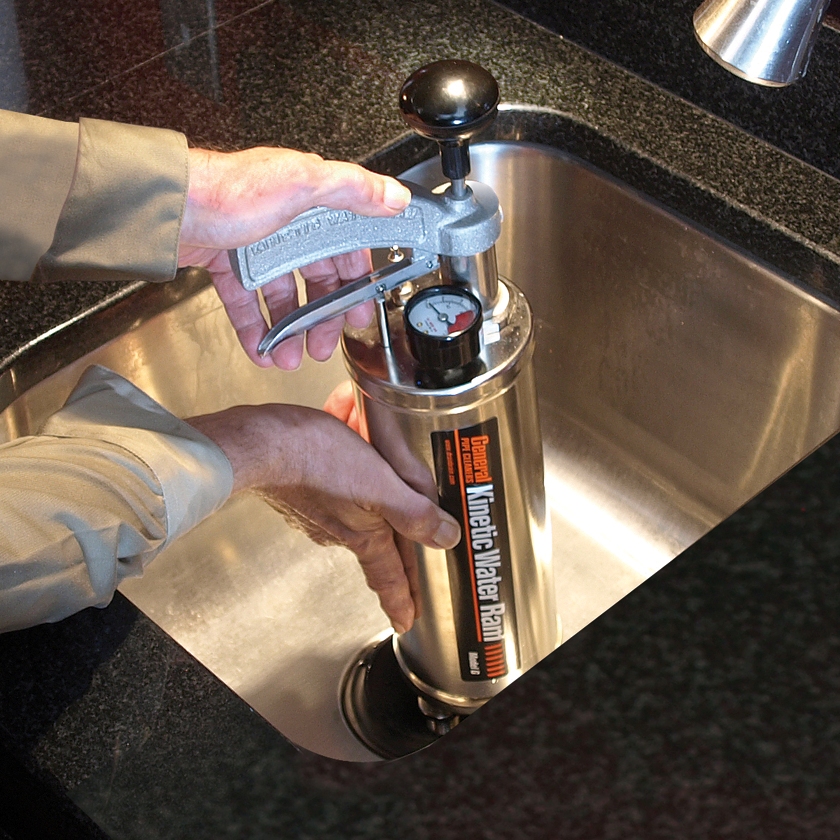
The Most Profitable Tool in your Truck
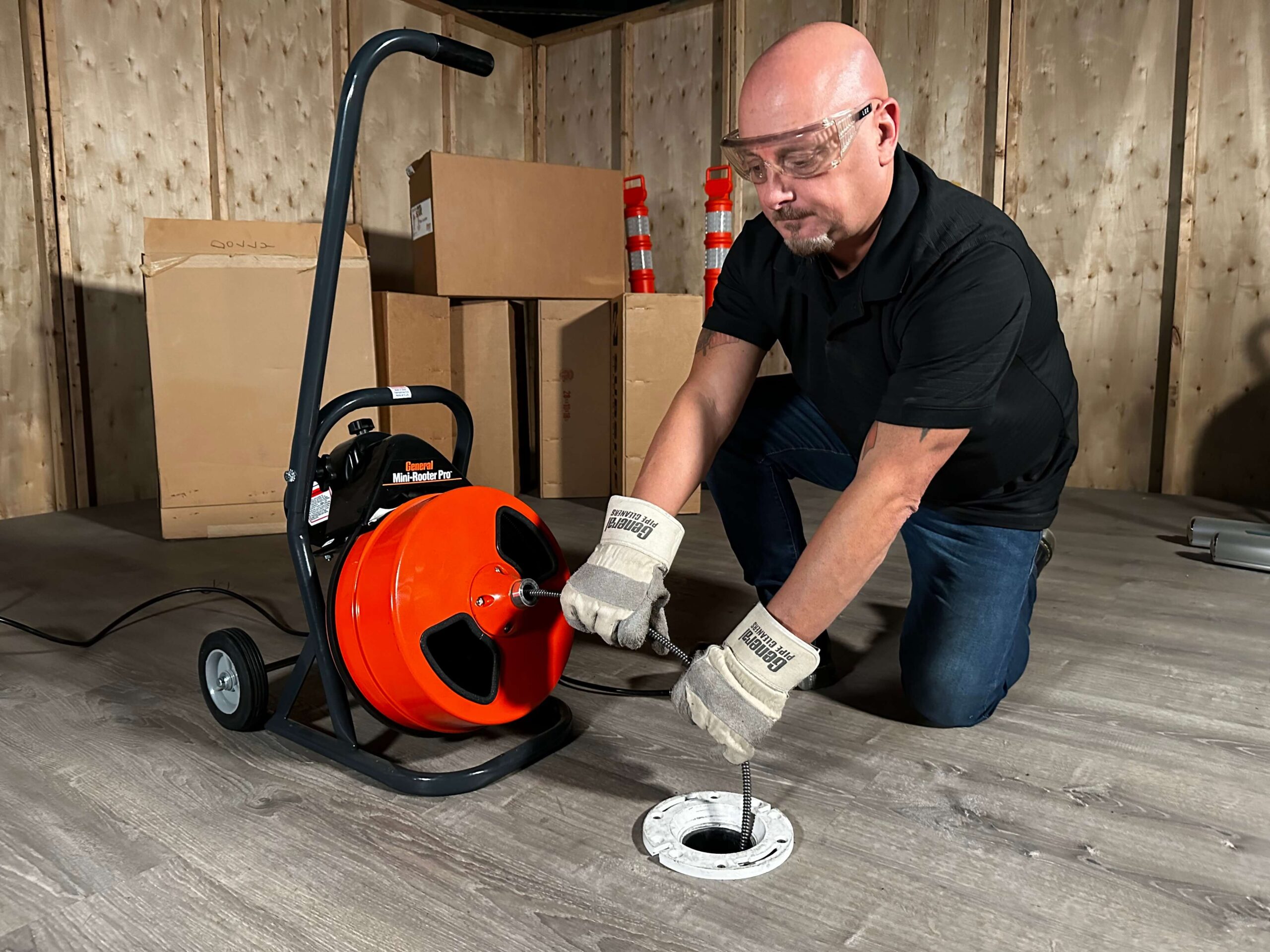
Clears Clogged Drains from Rooftop to Basement
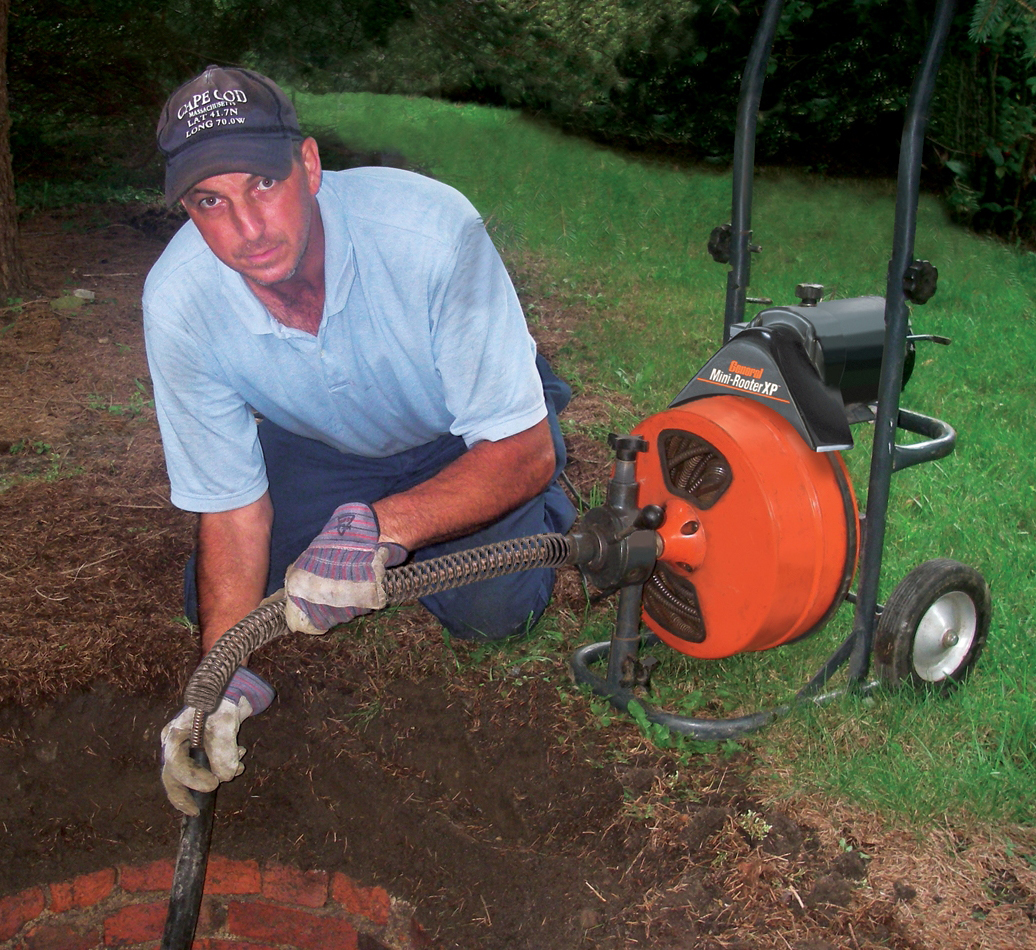
Extra Portability and Performance.
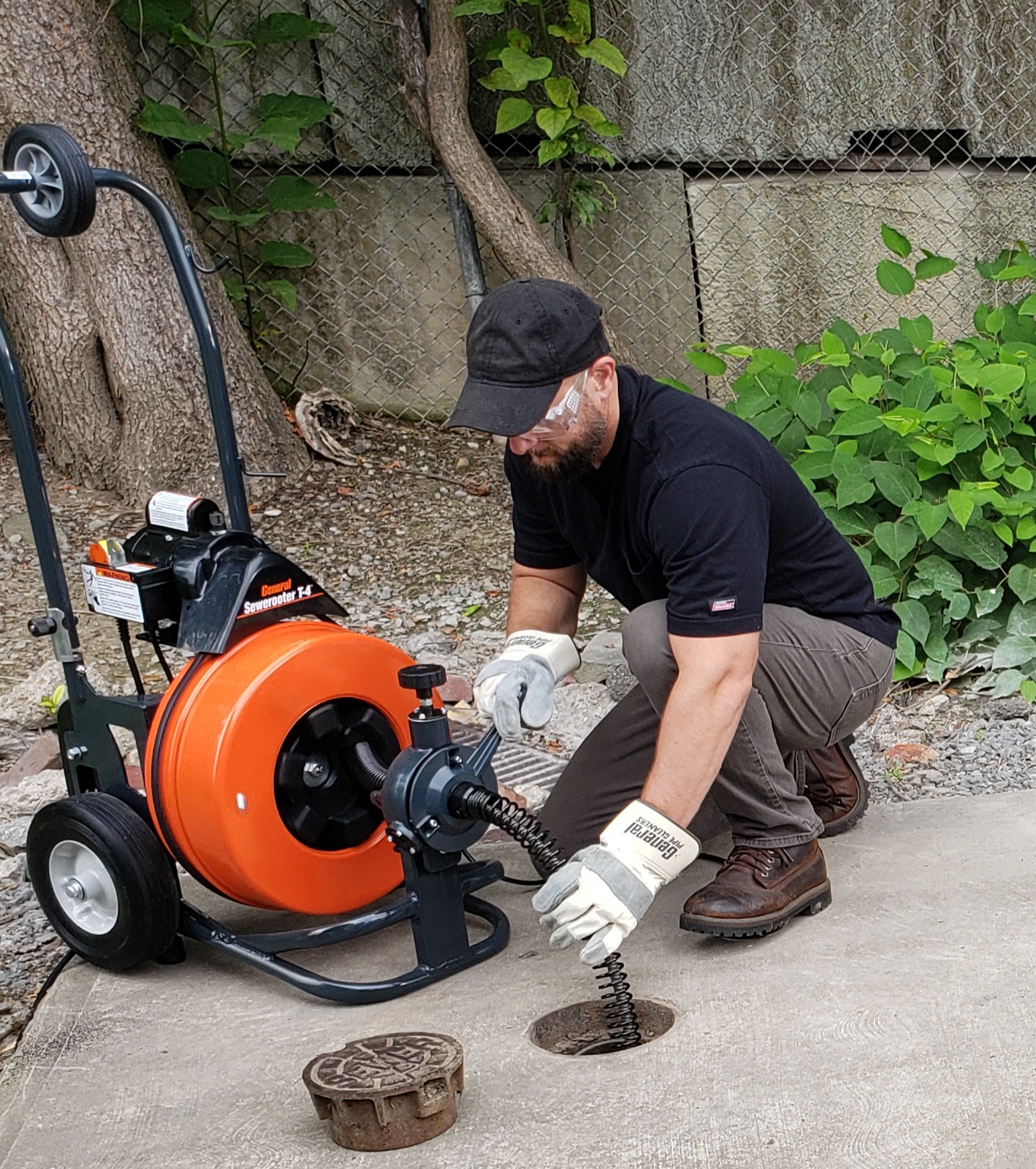
Mid-Size Machine with More Muscle
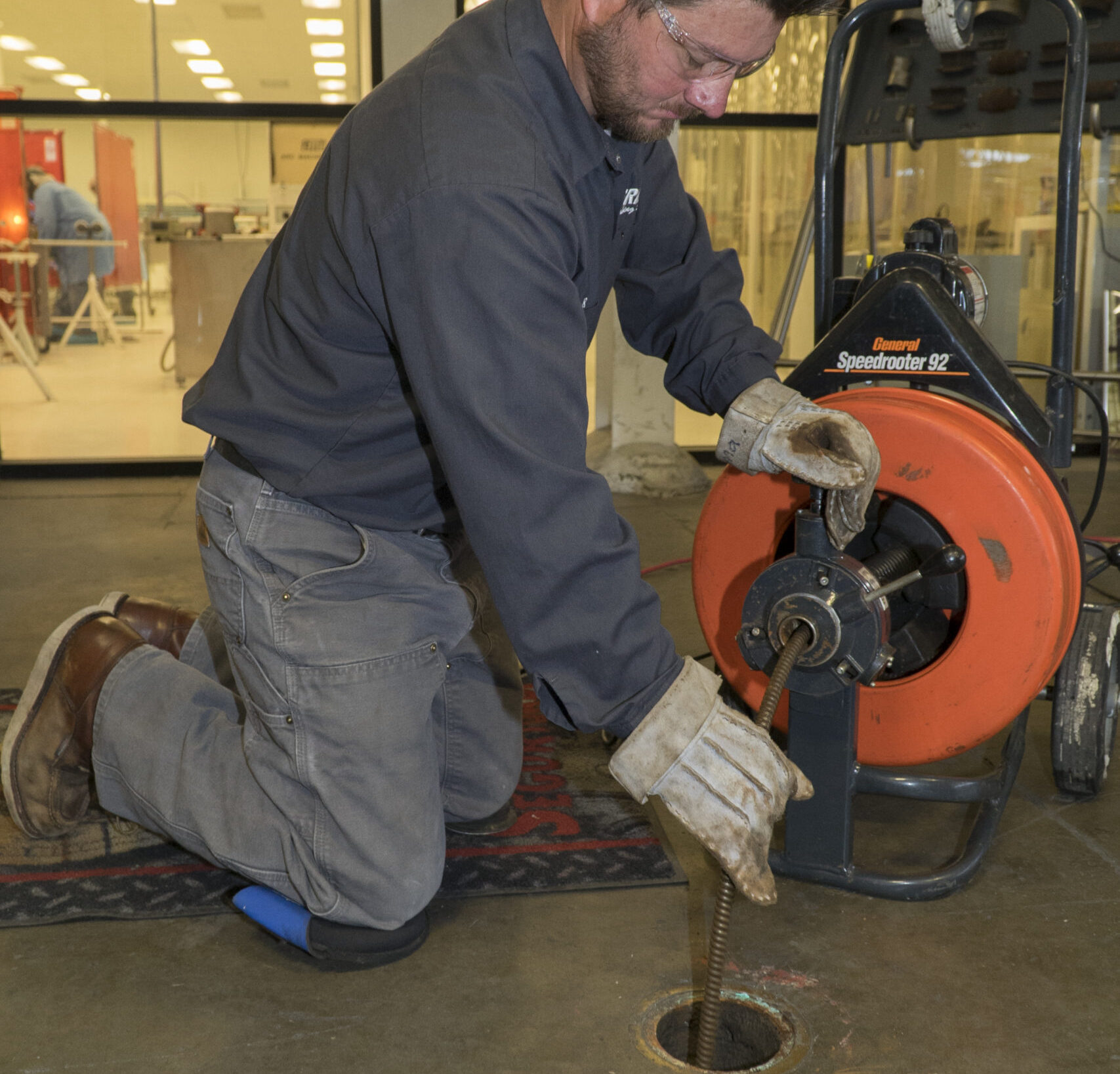
Job Tested Tough
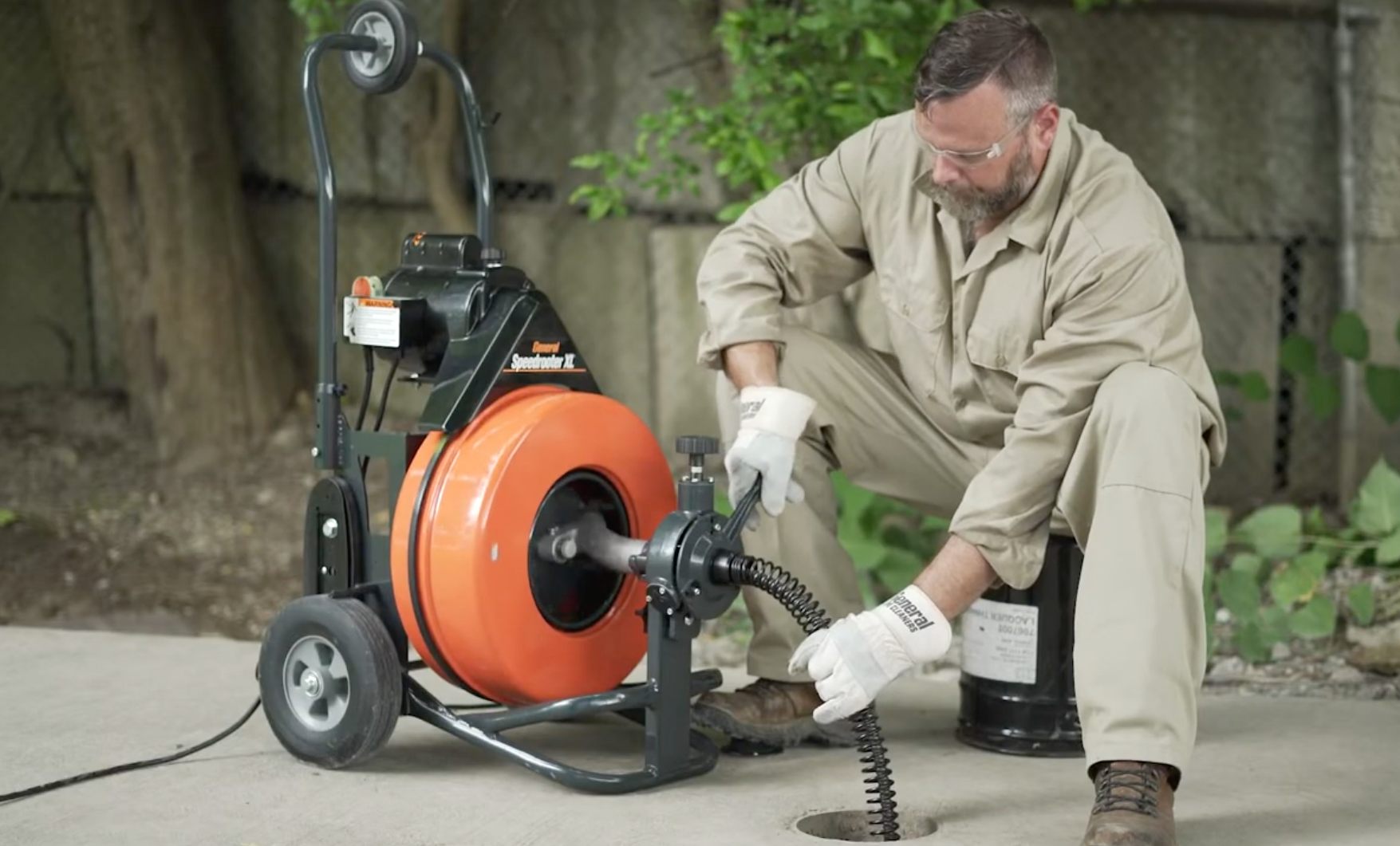
Long Distance Clog-Busting Power
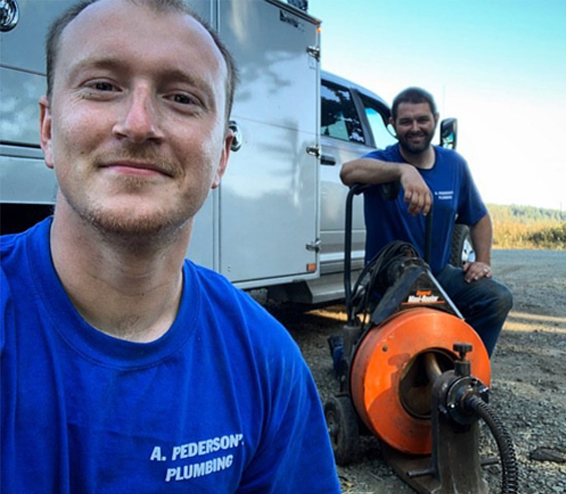
Root Cutting Power with Big Capacity
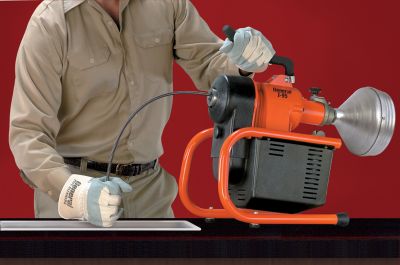
It’s Three Machines in One
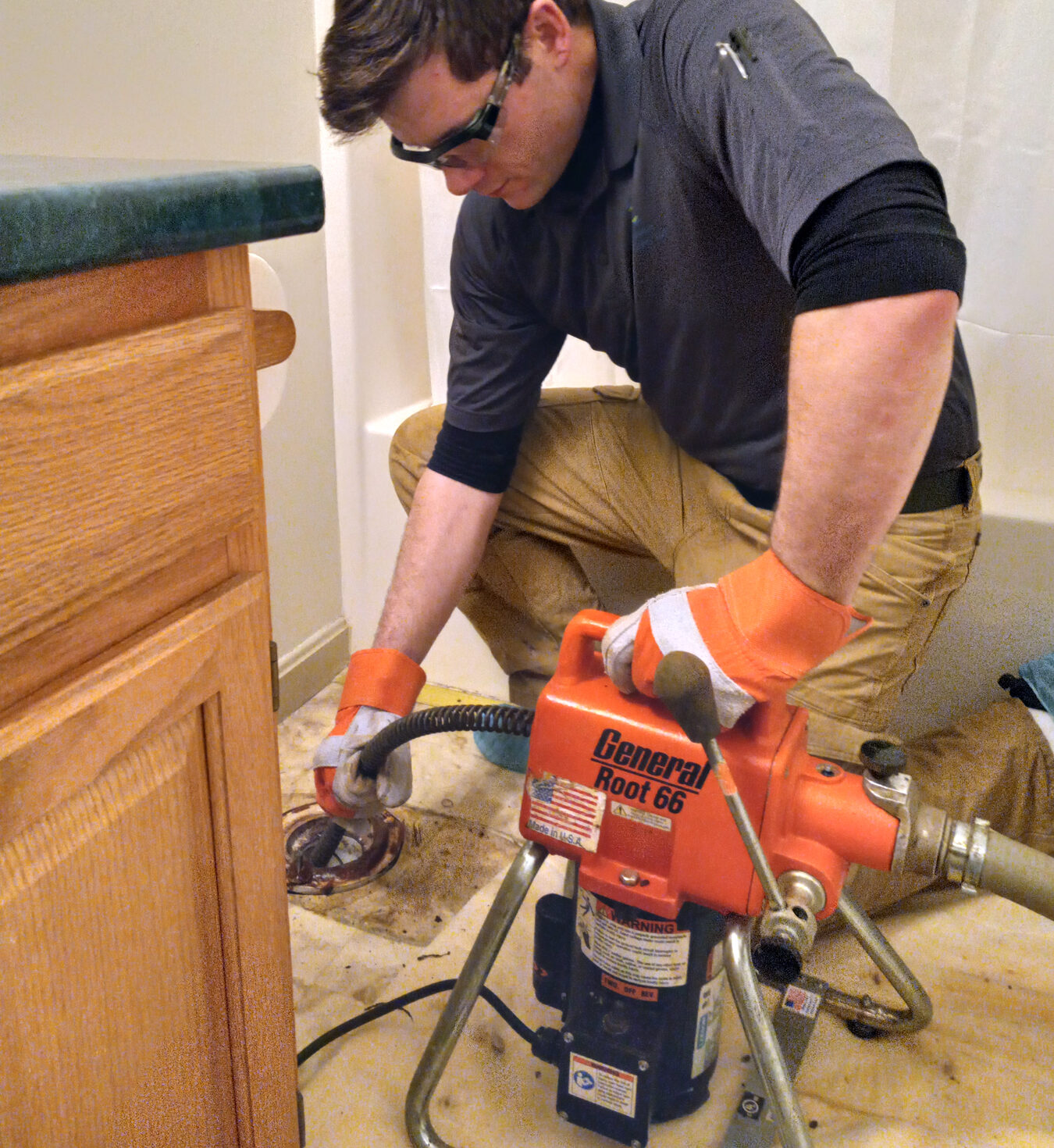
Root 66 Kicks Clogged Drains Down the Road
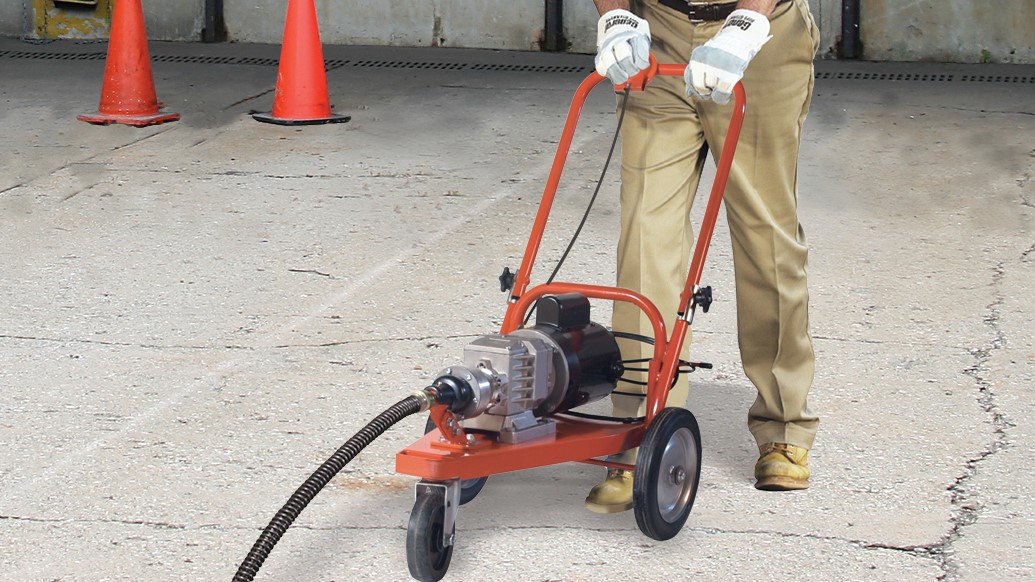
You Walk While it Works
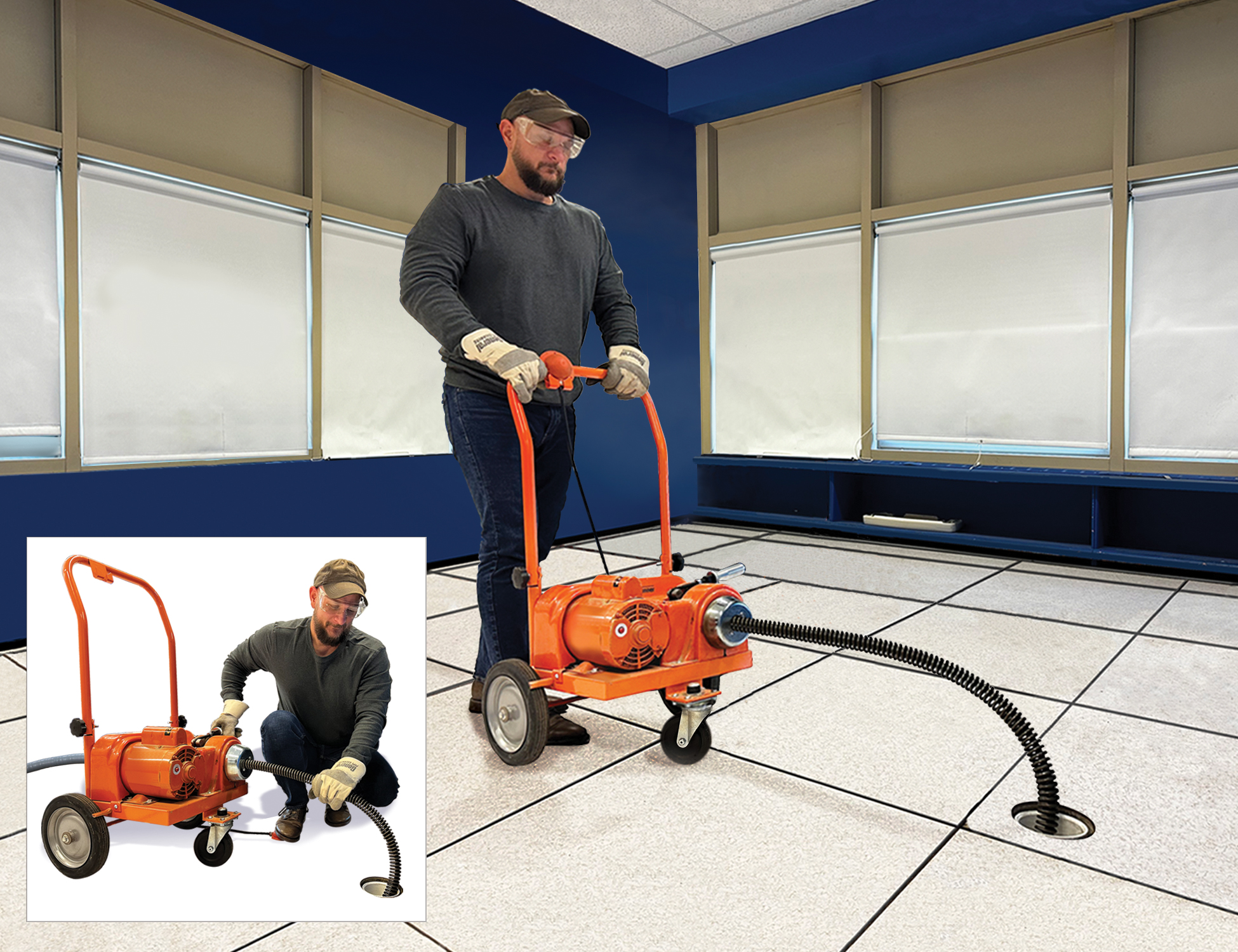
Self Feeds Reinforced Sectional Cables
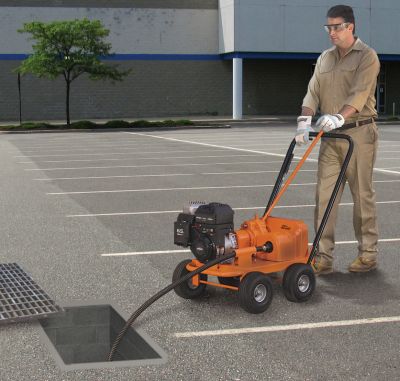
Drives Municipal Rods or Sectional Cables
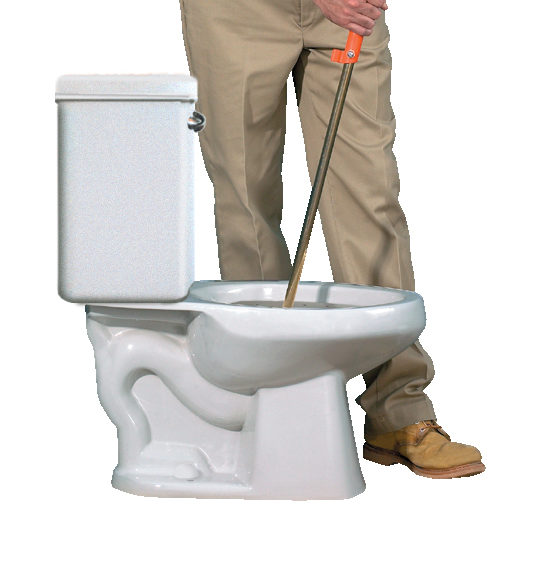
Works Where Plungers Fail
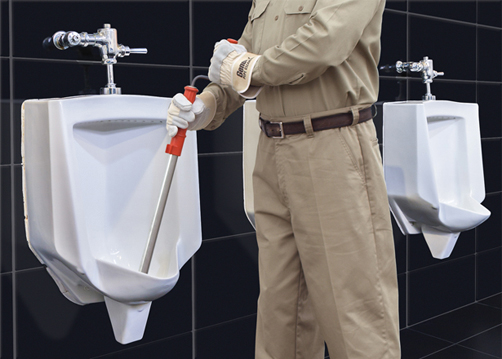
Gets though urinals where other snakes can’t
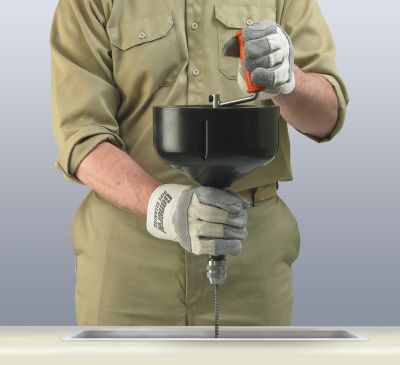
Clear sinks and bathroom drains
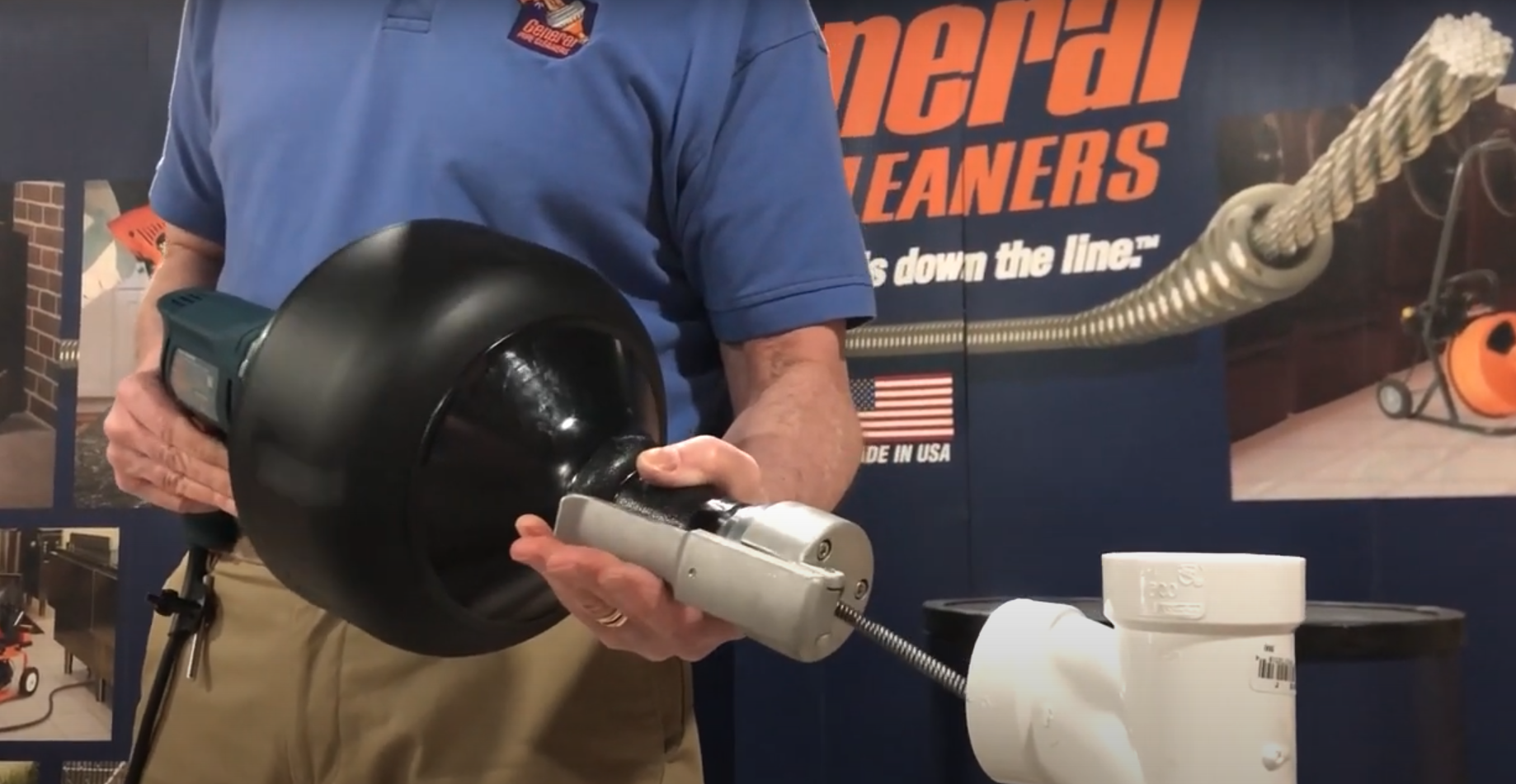
Clear Clogged Drains with Automatic Feed
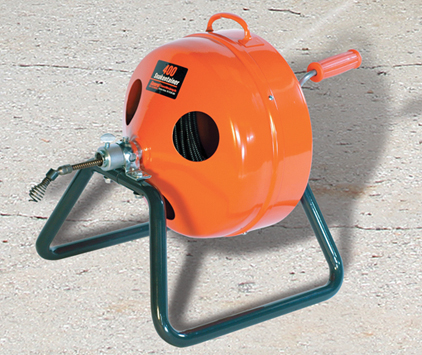
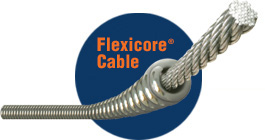
The Flexicore® Advantage
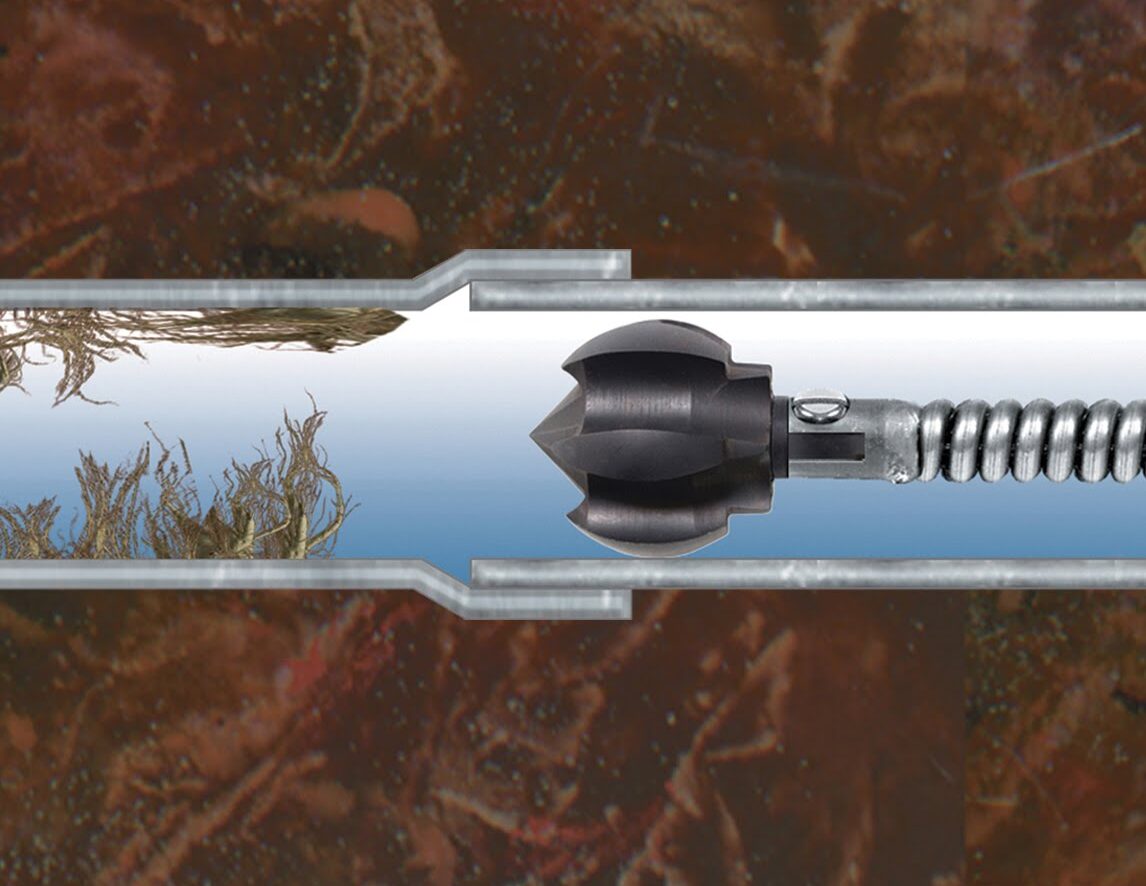
Full range of options for drain cleaning machines.
Professional drain cleaning tools include hand tools, sink machines, drum machines, sectional drain cleaners, cables, cutters, and accessories built for clearing stoppages in fixture lines, branch lines, and main sewer lines. The right tool depends on the pipe diameter, line length, access point, cable size, and the type of stoppage a plumber or drain-cleaning professional expects to encounter.
General Pipe Cleaners organizes its drain-cleaning equipment by how professionals work in the field: compact tools for small fixture lines, portable drum machines for medium lines, larger machines for roots and long runs, sectional machines for high-torque cable work, and accessories that help match the cable and cutter to the blockage.
Start with the line size. Small fixture lines need a compact machine that can navigate tight bends without overworking the cable. Medium drain lines require greater cable capacity and a frame that moves easily through buildings, basements, rooftops, and service areas. Large drain lines and long runs need more power, heavier cable, and better transport features so the machine can reach the stoppage and return safely.
General’s drain cleaning lineup gives professionals several ways to match the tool to the work:
General’s patented Flexicore cable is a key part of the product line. The wire rope center gives the cable strength, while the outer spring wire gives it the flexibility needed to move through bends and turns. For professionals, that combination helps reduce kinking, improve durability, and keep the machine working reliably on repeated service calls.
A simple field guide:
General drain cleaning machines are built for daily contractor use, with durable cable systems, reinforced frames and drums, jobsite-friendly transport features, and options that help technicians work faster and more cleanly. For help matching a machine to a line size, stoppage type, or service mix, use the Pro Tool Selection Guide or chat with a Drain Brain.
Professional drain-cleaning tools are machines, cables, cutters, and hand tools used by plumbers, contractors, and drain-cleaning professionals to clear stoppages in fixture lines, branch lines, and main sewer lines. The category includes sink machines, drum machines, sectional drain cleaners, hand tools, Flexicore cables, cutters, connectors, and accessories.
Start with the pipe diameter, line length, access point, and type of stoppage. Small fixture lines usually call for a compact sink machine or hand tool. Medium 2″ to 4″ lines need a portable drum machine with more cable capacity. Large 3″ to 10″ lines, roots, and long runs often require a larger drum machine or a sectional drain cleaner.
A sink machine is a compact drain-cleaning machine designed for smaller fixture lines, typically 1-1/4″ to 3″ in diameter. A drum machine carries more cable and is built for longer lines, larger pipe diameters, and tougher stoppages. Sink machines are best for tight access and smaller jobs; drum machines are better when the job requires more reach and power.
A drum machine stores the cable inside a rotating drum, which helps contain the cable and makes the machine convenient for many service calls. A sectional drain cleaner uses separate cable sections that are added as the technician works farther into the line. Sectional machines are often chosen for long runs, main lines, and high-torque cleaning where cable control and reach are important.
General drain cleaning machines cover small 1-1/4″ fixture lines through large 3″ to 10″ main drain and sewer lines. The right model depends on the pipe size, cable diameter, line length, and stoppage. Compact sink machines handle smaller lines, medium drum machines cover 2″ to 4″ lines, and larger drum or sectional machines handle long runs and larger pipe diameters.
Use a hand drain cleaning tool when the stoppage is localized, the access point is tight, or the fixture requires a specialty tool. Closet augers, urinal augers, hand-held cable tools, and manual drum tools can be efficient choices for toilets, urinals, sinks, and other fixture-level stoppages before a larger machine is needed.
Flexicore cable has a wire rope center wrapped with spring wire, giving it both strength and flexibility. That construction helps the cable resist kinking and breaking while still moving through bends and turns in the line. For drain cleaning professionals, cable durability matters because the cable takes much of the punishment on every job.
Cutters and accessories help match the machine to the stoppage. The right cutter can improve cleaning performance on roots, scale, debris, and heavy blockages, while connectors, replacement cables, cable care products, and repair accessories help keep machines working in the field. Matching the cutter and cable to the pipe size is as important as choosing the machine.
A cable drain cleaning machine is the better first choice for hard stoppages, roots, and blockages that need to be cut or broken open. A water jetter is the better choice for grease, sludge, sediment, and soft buildup that needs to be flushed and scoured from the pipe wall. Many professionals use both: a cable machine to open the line and a jetter to finish the cleaning.
Compare tools by line size, cable capacity, machine type, access point, transport needs, and the types of stoppages your crews handle most often. General’s Pro Tool Selection Guide and the Drain Brain support team can help match sink machines, drum machines, sectional machines, hand tools, cables, and cutters to the work you do most often.