Check Out Our Latest Promotion
The toughest tools down the line.™
Products
Support
Resources
Registration & Warranty
Tool Selector

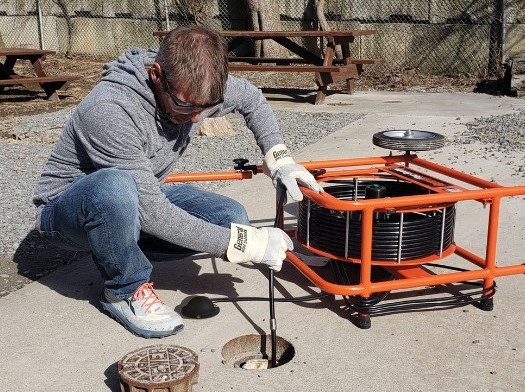
General Pipe Cleaners redefines high-speed, flexible-shaft technology with the Flexi-Rooter® drain cleaner. We’ve added an integral motor, a foot pedal for better control, stronger shaft and the unique ClogChopper cutter to a durable metal, easily maneuverable frame. It spins ten times faster than conventional drain cleaning tools for a more thorough cleaning job.
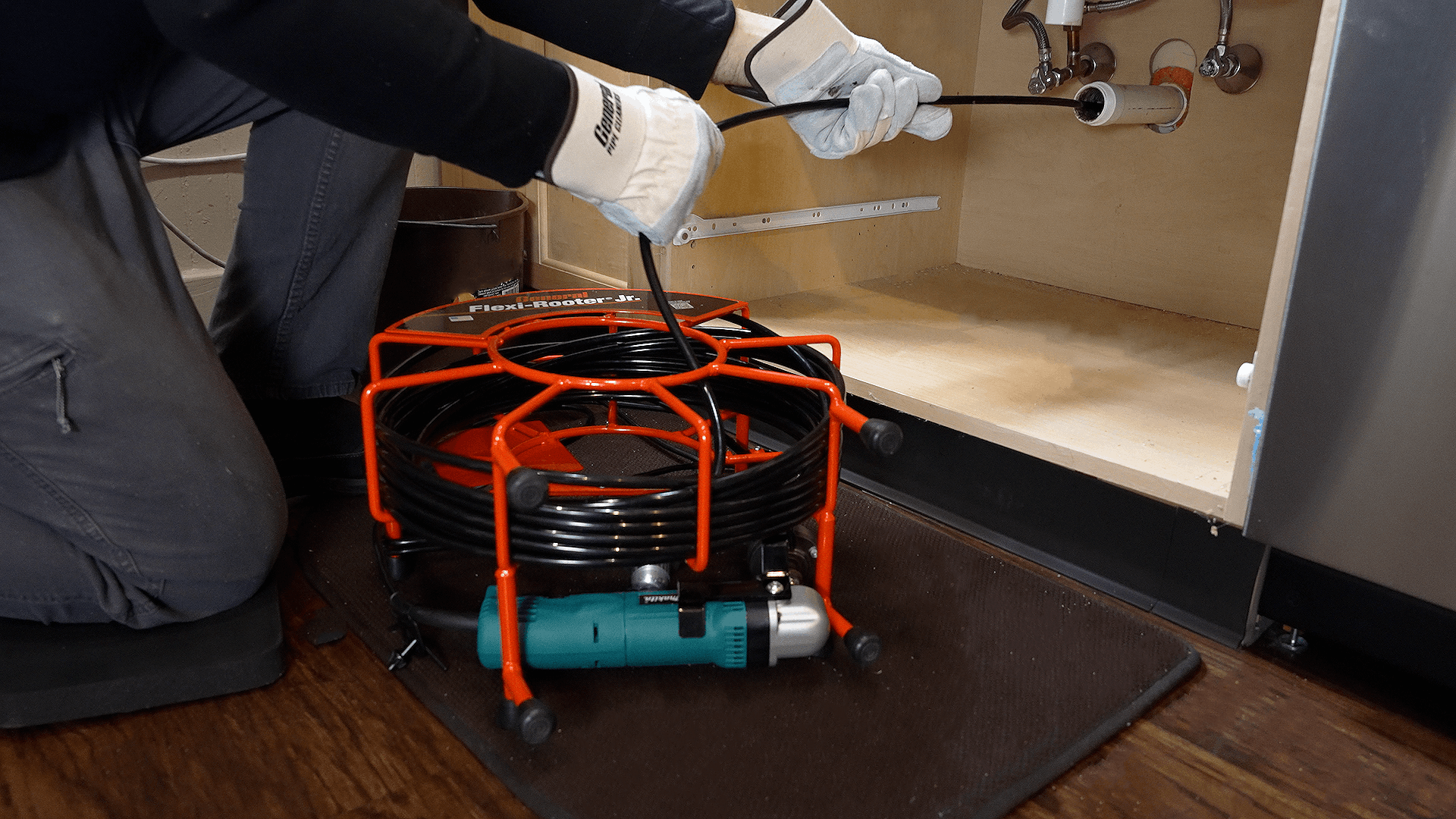
The new Flexi-Rooter Jr.® is lightweight and compact yet packs a powerful punch. It includes an integral variable speed motor with for pedal control that lets you adjust the speed from zero to 2400 rpm. The foot pedal allows you to have both hands free to safely guide the flexible-shaft into the line.
A flexible shaft drain cleaner uses a rapidly rotating flexible shaft inside a protective sheath to grind stoppages and scour buildup from the inside of drain lines. Operating at speeds up to 2,400 RPM, flexible shaft machines can remove roots, scale, hardened deposits, and other obstructions while cleaning more of the pipe wall than a tool that only opens a path through the blockage.
The right machine depends on pipe diameter, line length, access, pipe material, and the material being removed. General Pipe Cleaners offers two professional models: the Flexi-Rooter for 2″ to 4″ lines and longer runs, and the compact Flexi-Rooter Junior for 1-1/4″ to 3″ lines.
The flexible shaft is a swiftly rotating wire coil, similar in principle to a speedometer cable. It stays enclosed inside a durable sheath, so the technician guides the assembly without handling an exposed rotating drum. A cutter at the working end bores into the obstruction while chain cutters rotate against the pipe wall to break up buildup and produce a more thorough cleaning pass.
High rotational speed is the defining advantage. General flexible shaft machines spin up to ten times faster than conventional drum machines. At 2,000 RPM or more, the cleaning array can grind, descale, and scour quickly, while variable-speed control lets the operator adjust the machine to the line and the work in front of the cutter.
Start with the pipe size and estimated run. Then consider how the machine will be transported and positioned at the access point.
| Model | Line Size | Maximum Reach | Speed | Best Fit |
|---|---|---|---|---|
| Flexi-Rooter Junior | 1-1/4″ to 3″ | 50 ft. | 0 to 2400 RPM | Compact, lightweight work in smaller branch and fixture lines |
| Flexi-Rooter | 2″ to 4″ | 75 ft. | 1500 to 2400 RPM | Longer runs, roots, descaling, and heavier 2″ to 4″ line work |
The Flexi-Rooter Junior is the better fit when crews need a compact 20-pound machine that can move easily through buildings and reach smaller 1-1/4″ to 3″ lines. The full-size Flexi-Rooter adds reach, a stronger 5/16″ shaft, and a wheeled frame for demanding 2″ to 4″ line work up to 75 feet.
General combines the ClogChopper with chain cutters to create a two-part cleaning array. The ClogChopper bores into tough stoppages with six self-sharpening blades, while the chain cutter follows behind to shred material and scour the pipe wall. Standard chain cutters are suited to PVC and softer stoppages. Heavy-duty carbide-tipped cutters are available for roots and descaling on the full-size Flexi-Rooter.
Cutter selection should always match the pipe diameter, pipe material, and obstruction. A cutter that is too small will not clean the full wall. A cutter that is too aggressive for the application can make control more difficult. Review the machine-specific cutter chart before starting the job.
Both machines can be used with a sewer inspection camera while the flexible shaft is working. The camera helps the technician identify the exact trouble area, observe the cutter’s progress, and verify the finished result before pulling the equipment out of the line. This is especially valuable for targeted root removal, descaling, milling, and pipe-preparation work where controlled contact with the pipe wall matters.
Flexible shaft equipment is often selected for high-speed wall cleaning, descaling, root cutting, and pipe-preparation work in smaller and medium drain lines. A cable drain machine remains an important choice for longer runs, larger lines, and stoppages that need to be bored or cut open with conventional cable torque. A water jetter is often preferred for grease, sludge, sediment, and loose material that must be flushed out of the line.
These tools are complementary. A technician may open a difficult obstruction with a cable machine, use flexible shaft equipment for targeted cutting and wall cleaning, and finish with a water jetter when loose debris needs to be removed from the pipe.
General flexible shaft machines use integral variable-speed motors and pneumatic foot pedals, leaving both hands free to guide the shaft. Safety slip clutches help protect the shaft from overload, and the shafts are field repairable if the working end is damaged. Durable metal frames, protective sheaths, and jobsite-focused transport features support repeated professional use.
For help matching a model, cutter, and line size to the work your crews handle most often, use the Pro Tool Selection Guide or chat with a Drain Brain.
A flexible shaft drain cleaner uses a rapidly rotating wire coil enclosed inside a protective sheath. A cutter at the end breaks through the obstruction, while chain cutters grind buildup and scour the pipe wall. General flexible shaft machines operate at speeds up to 2,400 RPM, allowing plumbers and drain cleaning professionals to remove roots, scale, hardened deposits, and other obstructions with controlled, high-speed cleaning.
Flexible shaft machines are used for roots, scale, crystallized deposits, hardened debris, soft stoppages, and pipe-wall buildup. The result depends on matching the cutter to the pipe and obstruction. ClogChopper cutters bore into tough material, standard chain cutters handle softer stoppages and PVC applications, and heavy-duty carbide-tipped chain cutters support root cutting and descaling work.
A flexible shaft machine rotates a sheathed flexible shaft at high speed, typically 2,000 RPM or more, to grind and scour the pipe wall. A drum or sectional machine rotates a drain cable at lower speed and relies more heavily on cable torque to cut or break through a stoppage. Flexible shaft equipment is especially useful for wall cleaning, descaling, milling, and targeted root removal, while cable machines cover a broader range of line sizes and longer runs.
Use a flexible shaft machine when the job requires mechanical cutting, descaling, root removal, milling, or controlled wall cleaning. Use a water jetter when grease, sludge, sediment, sand, and loose material need to be flushed from the line. Many professionals use the tools together, with the flexible shaft breaking up or scouring the material and the jetter carrying loosened debris out of the pipe.
The Flexi-Rooter Junior clears 1-1/4″ to 3″ drain lines up to 50 feet long with a 1/4″ shaft. The full-size Flexi-Rooter clears 2″ to 4″ lines up to 75 feet long with a stronger 5/16″ shaft. The correct model depends on the pipe diameter, estimated reach, access point, and type of material being removed.
The Flexi-Rooter Junior is a compact 20-pound machine for 1-1/4″ to 3″ lines up to 50 feet. It is designed for portability and tighter access. The full-size Flexi-Rooter handles 2″ to 4″ lines up to 75 feet and uses a stronger shaft with carbide-tipped cutter options for roots and descaling. Both models have integral motors, variable speed, foot-pedal control, protective sheaths, and field-repairable shafts.
Yes. The full-size Flexi-Rooter can use heavy-duty carbide-tipped chain cutters for roots and descaling in 2″ to 4″ lines. Its ClogChopper and chain-cutter combination can bore into root masses, shred obstructions, and scour buildup from the pipe wall. A sewer camera helps the technician monitor cutter contact and confirm that the targeted material has been removed.
A sewer camera gives the technician visual control over the cleaning process. It can identify the exact location and type of obstruction, help guide the cutter to the problem area, and verify the result before the equipment is removed. Camera-guided work is particularly useful for root cutting, descaling, milling, and pipe preparation because the operator can see where wall cleaning is still needed.
The protective sheath encloses the rapidly rotating shaft so the operator guides the assembly without handling an exposed spinning drum. It also helps contain the rotating shaft and makes the machine easier to control at the access point. General machines add foot-pedal operation so both hands remain available to guide the shaft, plus a safety slip clutch that helps protect the shaft from overload.
Start with the pipe diameter, pipe material, obstruction, and desired cleaning result. Use a cutter sized to contact the pipe wall without being oversized for the line. Standard chains are suited to softer stoppages and many PVC applications, while carbide-tipped cutters support roots and descaling. Begin at a controlled speed, monitor progress, and adjust within the machine’s operating range. A camera can confirm cutter contact and the finished result.