

At a Glance
A drain-cleaning cable lasts longer when crews use proper cutting technique, drain the drum after every job, lubricate it immediately, and replace damaged sections before failure. Consistent care helps reduce downtime, protect equipment investments, and keep sewer-cleaning equipment ready for the next call.
Key Takeaways
• Let rotation do the work instead of forcing the cable
• Drain the drum and lubricate after every job
• Replace kinked sections early before they fail under torque
• Apply the same care mindset to sewer jetter hose handling
Why Drain Cleaning Cable Care Matters
In the drain cleaning business, cables and hoses take constant abuse. They handle torque, friction, water, chemical residue, and tight turns job after job. When crews stay consistent with how they use and maintain a drain cleaning cable, they can extend service life, reduce downtime, and avoid premature replacement costs.
The biggest gains usually come from simple habits. Proper handling during the job, post-job drainage, immediate lubrication, and early replacement of damaged sections all help protect performance. For contractors trying to get more life and more profit from their equipment, cable care is part of the job, not an afterthought.
What Causes Drain Cleaning Cable Damage
When clearing a stoppage, think of the cable as a drill, not a hammer. Let the rotation do the cutting. Forcing the cable down the drain increases the chance of kinking, overstressing the line, and shortening cable life.
Premature failure also happens when crews run a cable beyond the machine’s intended capacity, continue working with damaged sections, or put equipment away wet. Moisture left in the drum can accelerate rust and corrosion, especially when a line has already been treated with chemical drain cleaners.
Maintenance Steps That Extend Cable Life
Once the job is complete, position the drum’s drain hole at the six o’clock position and lay the machine on its back. Let gravity remove as much water as possible while you finish paperwork and collect payment. Draining the drum after every job helps protect the cable from standing moisture and chemical residue.
After draining, apply a quality lubricant such as General Pipe Cleaners’ Snake-Oil and rotate the drum for about 30 seconds to coat the cable and drum interior. This added step helps protect against corrosion and keeps the cable flexible and ready for the next job.
It also pays to inspect the cable before putting the machine away. A slightly kinked section may still run, but it is already weakened and more likely to fail under load. Replacing damaged sections early is usually far less expensive than dealing with a full break on the next call.
Learn more about Cables, Cutters & Connectors.
Why Flexicore® Cable Design Matters Under Torque
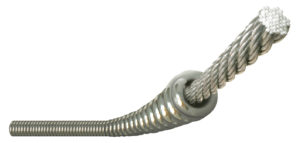
Maintenance is only part of the equation. Cable construction also plays a major role in durability. General Pipe Cleaners’ patented Flexicore® cable is built by tightly wrapping spring steel around a 49-strand aircraft-quality wire rope, rather than relying on a hollow spring-style design.
When torque builds as the cable hits a stoppage, the outer coil naturally wants to contract. Because the wire rope core resists that contraction, the cable tightens and stiffens under load, exactly when strength is needed most. The result is a cable that is less likely to kink or break during tough jobs.
Don’t Overlook Sewer Jetter Hose Care
The same care principles apply to a sewer jetter hose. Most jetter hoses use flexible plastic or rubber composite coatings that can be damaged by sharp edges before the hose even gets deep into the line. Rough cast iron pipe edges, tight entries, and abrasion points can shorten hose life quickly if crews are not paying attention.
A protective sleeve at the entry point can help prevent unnecessary wear. It also helps to use vibration features such as Vibra-Pulse® when navigating tight lines because vibration reduces surface friction between the hose and pipe wall. And during operation, keep the hose moving in a steady two-feet-forward, one-foot-back motion to maximize cleaning power and reduce the chance of sand or grease packing behind the nozzle.
Learn more about Water Jetter Hoses.
Final Thoughts on Drain Cleaning Cable Maintenance
Protecting a drain cleaning cable comes down to consistency. Use proper technique, perform routine maintenance, and invest in construction that can handle real-world torque and stress. Those habits help crews get more life from their equipment and fewer costly interruptions in the field.
For more information on General Pipe Cleaners’ cable and hose solutions, contact the Drain Brains at 800-245-6200.
FAQ
Q1: How often should you lubricate a drain cleaning cable?
A: You should lubricate a drain cleaning cable after every job. Moisture and chemical residue left in the line can quickly cause corrosion, so lubrication should follow drainage right away.
Q2: What causes a drain cleaning cable to kink or break early?
A: The most common causes are forcing the cable into a stoppage, running it beyond the machine’s intended capacity, and continuing to use damaged sections. Let the rotation do the cutting instead of using the cable like a hammer.
Q3: Why should crews drain the drum after every job?
A: Draining the drum helps remove standing water, sludge, and chemical residue that can sit against the cable after a job. That simple step helps reduce rust and corrosion between calls.
Q4: Can chemical drain cleaners damage a drain cleaning cable?
A: Yes. Many chemical drain cleaners can accelerate corrosion and weaken metal over time. That is why draining and lubricating the cable immediately after the job is important.
Q5: Should you replace a slightly kinked cable?
A: Yes. Even a minor kink weakens the structure and increases the likelihood of failure under torque. Replacing a damaged section early is usually the safer and less expensive choice.
Q6: How does cable construction affect durability under torque?
A: Cable construction determines how well the cable holds up when resistance builds in the line. A reinforced design such as Flexicore® helps the cable stiffen under load and resist kinking during tougher jobs.
Q7: How should drain cleaning equipment and cables be stored?
A: Store equipment in a clean, dry location after the drum has been drained and the cable has been lubricated. Putting a machine away wet or leaving it in a damp environment can shorten cable life.
Q8: What practices help extend the life of a sewer jetter hose?
A: Use a protective sleeve at the entry point, avoid abrasion against sharp pipe edges, use vibration features when needed, and keep the hose moving steadily during jetting. Letting the hose sit in one place can lead to unnecessary wear or entrapment.
Need Help Choosing the Right Drain Cleaning Cable?
For more information about the proper cable or hose for your needs, call Drain Brains at 800-245-6200 or visit Drain Brains.
Check this space next month for more tool maintenance tips from General Pipe Cleaners.