

At a Glance
A Pittsburgh Potty is more than a quirky basement fixture. It points to a basic sewer-backup principle plumbing professionals still deal with today: when a line backs up, wastewater seeks the lowest opening. Modern sewer cleaning equipment, inspection cameras, pipe locators, cable machines, and water jetters help professionals diagnose the cause, locate the issue, and clear the line before a backup turns into a larger cleanup.
Key Takeaways
• Sewer backups rise toward the lowest connected fixture in the system.
• Basement toilets in older homes helped reveal overloaded or blocked sewer lines before backups reached finished areas.
• Roots, grease, debris, wipes, pipe defects, and aging infrastructure can all contribute to repeat sewer problems.
• The right equipment helps plumbers move from symptom to source: inspect, locate, clear, and verify.
Why the Pittsburgh Potty Still Matters
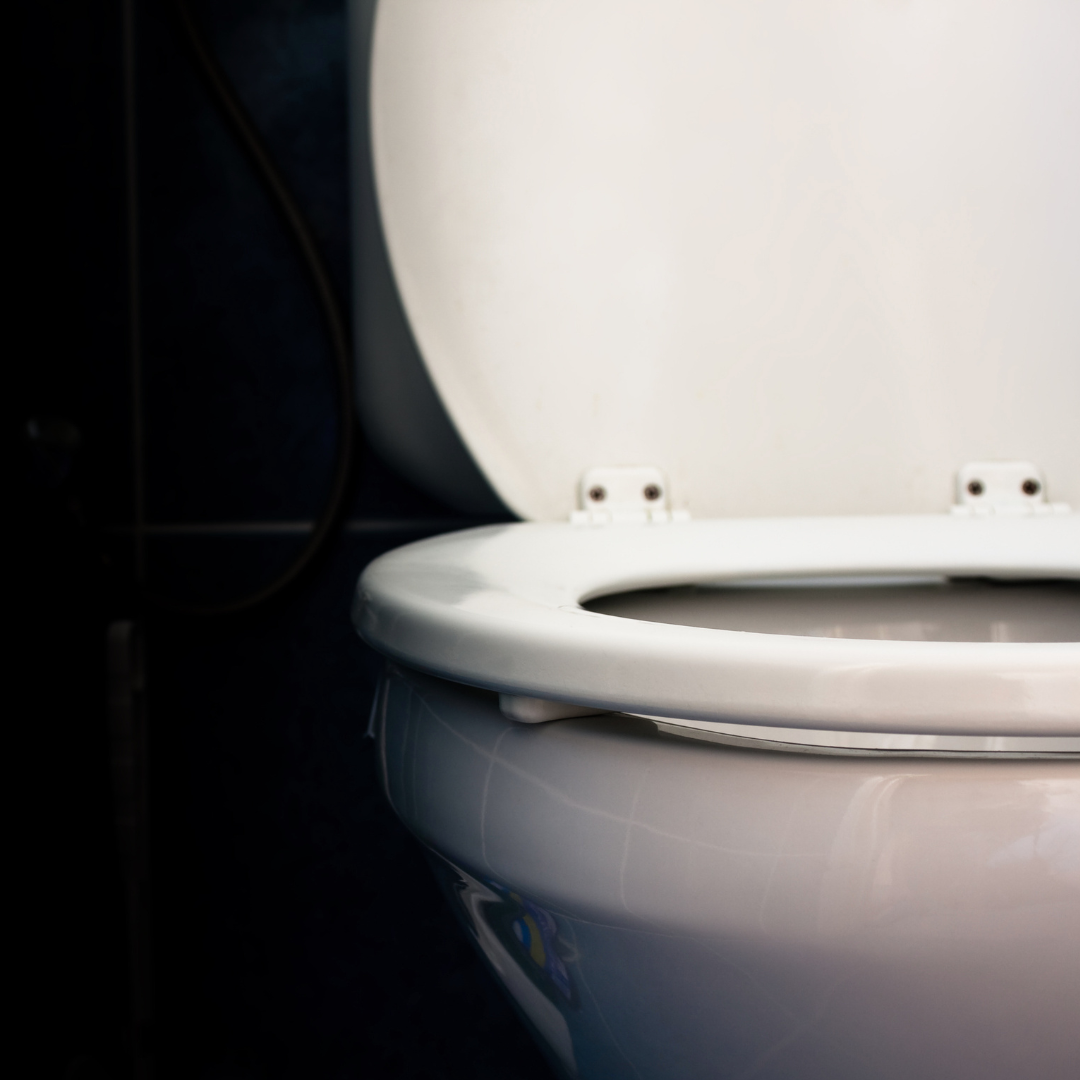
Older Pittsburgh homes are known for a strange plumbing feature: a lone toilet sitting in an unfinished basement, often without walls around it. The common explanation is that steelworkers or miners used the basement fixture before entering the main living space. Another explanation, highlighted by architect William Martin in the original story, is more useful for plumbing professionals: the basement toilet may have acted as the lowest relief point when early sewer systems backed up.
That theory turns the Pittsburgh Potty from a novelty into a practical sewer lesson. It reminds crews that backups are not random. They follow the path of least resistance, and the first visible overflow often tells you where the system is relieving pressure.
The Sewer Backup Lesson: Wastewater Finds the Lowest Opening
When a drain or sewer line backs up, wastewater fills the pipe until it reaches an opening. In many buildings, the lowest connected fixture becomes the first place the problem appears. In older homes with unfinished basements, that could be a basement toilet. In other buildings, it may be a floor drain, a utility sink, a shower, or another low fixture.
For plumbers and drain cleaning professionals, the important takeaway is not the fixture itself. It is what the fixture reveals: a blocked, restricted, or overloaded line needs to be diagnosed from the system outward, not treated as an isolated mess at the overflow point.
What Sewer Backups Reveal About the Line
A visible backup is a symptom. The source may be deeper in the line, farther downstream, or tied to a recurring condition that will recur if the pipe is opened only temporarily. Common causes include tree root intrusion, grease buildup, wipes, sludge, sand, scale, offset joints, pipe damage, or aging infrastructure with reduced flow capacity.
That is why experienced crews look beyond the first flooded fixture. The job is to determine what caused the backup, where it is located, and which tool can most effectively clear or verify the line.
Modern Sewer Cleaning Equipment Replaces Guesswork
Today, plumbing professionals do not need a basement toilet to tell them a sewer line is in trouble. They use professional sewer cleaning equipment and diagnostic tools to identify the issue before the job turns into a larger cleanup. Sewer cameras and pipe locators help crews see inside the line and pinpoint the problem area. Cable machines and cutters help open hard stoppages. Water jetters help scour grease, sludge, sand, and other soft buildup from pipe walls.
The result is a more complete workflow: confirm the condition, locate the source, clear the blockage, and verify that the line is flowing properly.
Choosing the Right Tool Depends on the Stoppage
A sewer backup can be caused by different conditions, so equipment selection matters. A cable machine may be the right first move for roots or dense obstructions. A water jetter may be the better choice for grease, sludge, sand, and recurring soft buildup. A sewer line camera can help verify pipe condition before or after cleaning, especially when the line has a history of repeat problems.
Field Guide: From Symptom to Equipment Choice
| Jobsite clue | What it may indicate | Equipment to consider | Professional next step |
|---|---|---|---|
| Backup at the lowest fixture | Restriction or surcharge downstream | Sewer line camera, locator, cable machine | Trace the line, locate the problem area, and clear the blockage. |
| Repeat stoppages after opening the line | Buildup, roots, pipe damage, or incomplete cleaning | Camera system, water jetter, cutter | Confirm the cause and clean wall-to-wall when soft buildup is present. |
| Slow main line with grease or sludge | Soft buildup reducing pipe diameter | Water jetter | Use the proper nozzle, pressure, and flow to scour and flush the line. |
| Hard obstruction or root mass | Roots, compacted debris, or dense stoppage | A cable machine with an appropriate cutter | Open the line, then verify and flush remaining debris as needed. |
| Unclear location of the issue | Problem may be farther downstream than the fixture suggests | Sewer camera and locator | Document the condition and pinpoint the location before planning the repair. |
A Plumbing History Story with a Modern Field Lesson
The Pittsburgh Potty may be remembered as an odd feature of older housing stock, but its lesson still applies to service calls. A sewer system reveals problems at its weakest or lowest point. The professional response is to use the right equipment to understand the full condition of the line, not simply react to the fixture where the backup appeared.
For almost a century, General Pipe Cleaners has built dependable equipment for plumbers, contractors, and drain cleaning professionals who need to diagnose, clear, and maintain drain and sewer lines. From drain cleaning machines and Flexicore cable to water jetters, sewer cameras, and pipe locators, General Pipe Cleaners helps crews turn a messy symptom into a clear next step.
For help selecting the right equipment for sewer backup and drain cleaning work, use the Pro Tool Selection Guide or contact the Drain Brains at 800-245-6200.
Source note: Original Pittsburgh Potty story referenced in the draft: Architect Offers Explanation For Pittsburgh’s Basement Toilets.
FAQs
What is a Pittsburgh Potty?
A Pittsburgh Potty is a basement toilet commonly associated with older Pittsburgh homes and other older housing stock. It is usually a standard toilet placed in an unfinished basement, often without surrounding walls.
Why did some older homes have open basement toilets?
One common explanation is that workers used basement fixtures before entering the main living space. Another theory is that the toilet acted as the lowest relief point during sewer backups, giving wastewater a place to overflow before it reached finished areas.
What does the Pittsburgh Potty teach about sewer backups?
It shows that wastewater follows the lowest available opening when a drain or sewer line backs up. For plumbing professionals, that means the visible overflow is a symptom, not necessarily the source of the problem.
Why do sewer backups come up through the lowest fixture?
A backup fills the pipe until wastewater reaches an open fixture or drain. The lowest connected fixture usually becomes the first place where the backup appears because it offers the easiest path out of the system.
What causes a sewer line to back up?
Common causes include tree roots, grease buildup, sludge, sand, wipes, debris, scale, offset joints, damaged pipe, and aging sewer infrastructure with reduced flow capacity.
How do plumbers diagnose a sewer backup today?
Plumbers often use a sewer line camera to inspect the pipe interior, a locator to identify where the camera head is positioned, and professional drain cleaning equipment to clear the obstruction based on what they find.
What sewer cleaning equipment is used to clear backups?
Depending on the blockage, crews may use cable machines, cutters, water jetters, sewer cameras, pipe locators, and related accessories. The right tool depends on the line size, material, blockage type, and distance to the problem area.
When should a sewer line camera be used?
A sewer line camera is useful when the cause or location of the backup is unclear, when the line has repeat stoppages, or when crews need to verify pipe condition before or after cleaning.
How do water jetters help with repeat sewer problems?
Water jetters use high-pressure water and specialized nozzles to scour the pipe wall and flush soft buildup such as grease, sludge, sand, and sediment. That makes them useful when the goal is to clean the line more completely, not just open a temporary path.
How should contractors choose equipment for sewer backup work?
Start with the line size, access point, blockage type, and whether the problem is isolated or recurring. Camera inspection, cable cleaning, and water jetting can be used together to diagnose, clear, and verify the line more effectively.