At a Glance
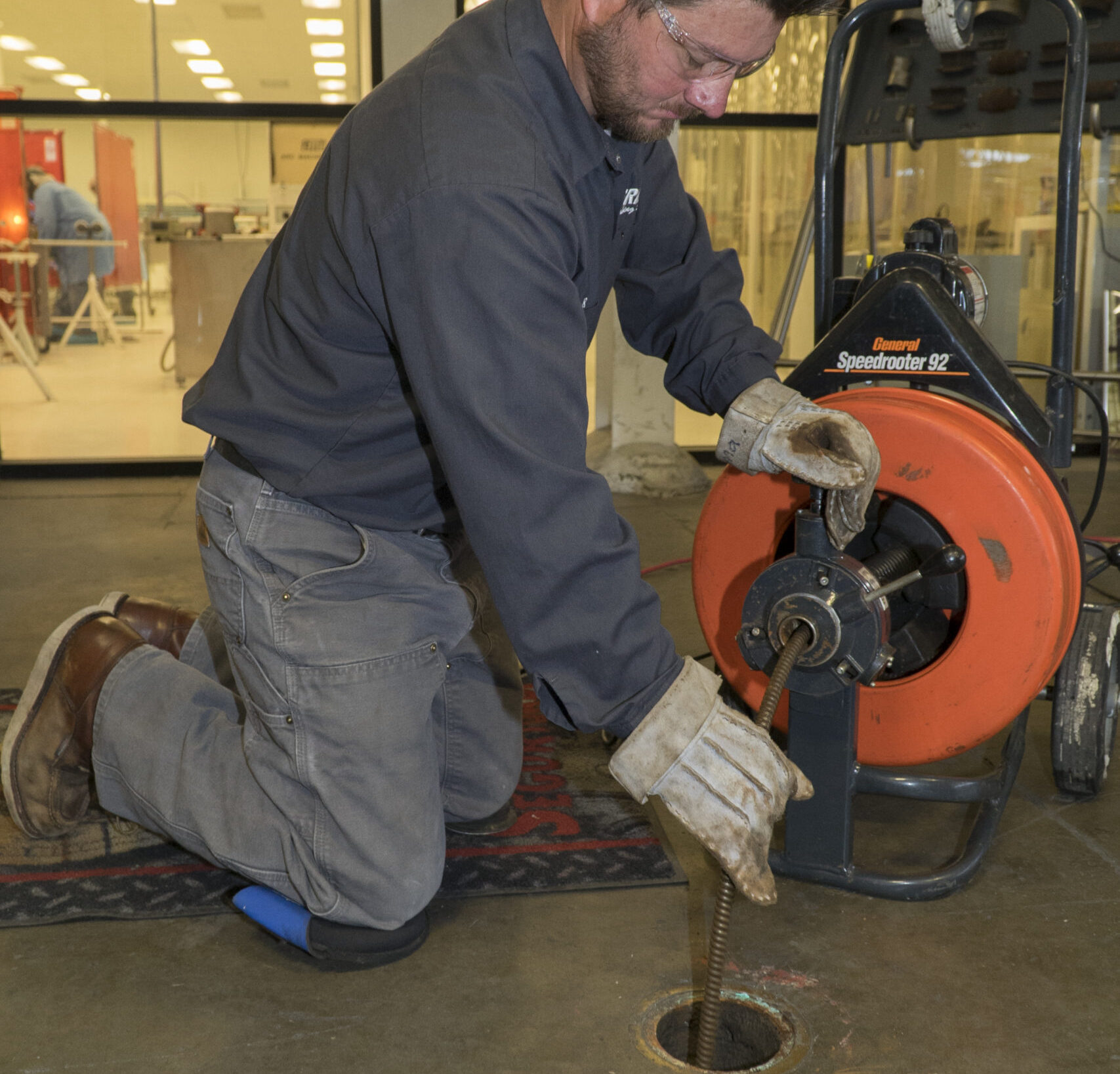
Professional drain cleaning often requires more than one machine. A cable machine can open many hard or dense stoppages, a water jetter can remove remaining grease and soft buildup, a flexible-shaft drain cleaner can target deposits along the pipe wall, and a sewer inspection camera can identify the problem and verify the results. The right combination depends on pipe size, material, access, condition, and the type of obstruction.
Key Takeaways
• Match equipment to the pipe size, condition, access point, and type of stoppage.
• Use a cable machine and appropriate cutter when the immediate objective is to penetrate a hard or dense blockage.
• Follow with a water jetter when grease, sludge, or loosened debris needs to be scoured and flushed from the line.
• Use flexible-shaft equipment for controlled, high-speed removal of deposits from the pipe wall when the application allows.
• Inspect before and after cleaning to confirm conditions, guide equipment selection, and document the completed work.
Why One Drain Cleaning Machine Is Not Enough
When it comes to professional drain cleaning, one size does not fit all. A small branch line restricted by grease presents a different problem than a main sewer affected by roots, scale, a foreign object, or a structural defect. The equipment that opens a stoppage may not be the equipment that finishes the cleaning or confirms why the problem occurred.
During a recent HPAC webinar, General Pipe Cleaners Customer Success Specialist Dave Dunbar explained how contractors can improve jobsite results by selecting equipment for the specific pipe, obstruction, and cleaning objective, then using complementary machines when one tool cannot complete the entire job.
For a broader view of available cable machines and related systems, review General Pipe Cleaners’ Drain Cleaners category.
Match the Equipment to the Pipe and Stoppage
Equipment selection should begin with what the line and the job require, not with the machine that happens to be closest on the truck. Pipe diameter, pipe material, access, distance, bends, known damage, and the type of obstruction all affect the safest and most effective starting point.
The table below provides a practical selection framework. Final recommendations should be reviewed against the specific pipe condition, manufacturer instructions, and applicable jobsite safety requirements.
| Jobsite condition | Recommended starting equipment | Possible follow-up equipment | Verification |
| Hard stoppage or root intrusion | Cable machine with an appropriate cutter | Water jetter for flushing loosened material, when appropriate | Sewer inspection camera |
| Grease, sludge, or soft buildup | Water jetter | Flexible-shaft machine for targeted deposits, if needed | Sewer inspection camera |
| Scale or deposits on pipe walls | Flexible-shaft machine | Water jetter to flush debris | Sewer inspection camera |
| Unknown or recurring problem | Sewer inspection camera | Equipment selected from inspection findings | Follow-up camera inspection |
| Possible cracked, offset, or damaged pipe | Sewer inspection camera | Cleaning only if conditions allow | Record findings for repair planning |
A Four-Step Drain Cleaning Workflow
A clear workflow helps crews move from the visible symptom to the actual condition of the line.
1. Diagnose the Line
When the cause, location, or extent of the problem is unclear, begin with a sewer inspection camera. The inspection can reveal roots, grease, scale, foreign objects, offset joints, cracks, or other conditions that change the cleaning plan. It also helps determine whether cleaning should proceed or whether the findings point toward repair planning.
Explore professional Sewer Cameras and Pipe Locators for inspection and location workflows.
2. Open the Blockage
When the immediate objective is to penetrate a hard or dense stoppage and restore enough flow to continue the job, a cable machine fitted with the appropriate cutter may be the proper starting tool. The machine, cable, and cutter must match the line size and obstruction. Opening a path does not always mean the full pipe interior has been cleaned.
3. Clean the Pipe Walls
After flow is established, remaining grease, sludge, scale, or loosened debris may still restrict the pipe. A water jetter can scour and flush soft material from the line. A flexible-shaft drain cleaner can provide controlled, high-speed cleaning action against deposits on the pipe wall. The right follow-up depends on pipe condition, line size, access, and the material that remains.
Compare General Pipe Cleaners’ Water Jetters and
review the Flexible-Shaft Drain Cleaners category for application-specific options.
4. Verify the Results
A follow-up camera inspection helps confirm that the obstruction has been addressed and shows whether buildup, damage, or another condition remains. The footage can document the work performed and give the contractor a clearer basis for maintenance or repair recommendations.
When to Combine a Cable Machine and Water Jetter
One example discussed in the webinar is using a cable machine and water jetter on the same job. A cable machine may first create an opening through a dense grease stoppage or other obstruction. Once there is sufficient flow and the condition permits, a water jetter can scour the pipe walls and flush remaining soft buildup and debris.
This sequence can produce a more complete cleaning than simply opening a narrow path through the blockage. It should not be treated as a universal procedure. The order and equipment depend on the pipe, obstruction, access, and any damage identified during inspection.
Where Flexible-Shaft Cleaning Fits
Flexible-shaft machines operate cutters at high speed inside a protective sheath. This gives drain cleaning professionals a controlled way to remove grease, scale, sludge, crystallized deposits, and other material attached to the pipe wall in suitable lines. The operator can concentrate on specific problem areas rather than relying on one machine for the full job.
When the machine and camera system are compatible with the application, camera-assisted cleaning can help the technician see the target area and review the results. The specific model, cutter configuration, pipe range, and camera procedure should be confirmed before publication and use.
Why Inspection Cameras Are Essential
Inspection cameras support more than final confirmation. Before cleaning, they help identify the location and likely cause of a recurring problem. During planning, they help contractors avoid treating a structural condition as a routine stoppage. After cleaning, they show whether material remains and provide a record of the completed work.
Clear footage also improves communication. Instead of describing what may be happening inside the line, the contractor can show the observed condition, explain why a particular cleaning method was selected, and document any issue that may require repair.
Use the Right Combination for the Job
The best-equipped crews do not use every machine on every call. They understand what each tool does and build a sequence around the line in front of them. Diagnose the condition, open the stoppage, clean remaining buildup, and verify the result. That practical approach reduces guesswork and supports more complete, well-documented service.
For help narrowing the equipment options for a specific application, use the Pro Tool Selection Guide or contact the Drain Brains at 800-245-6200.
Watch the General Pipe Cleaners Webinar
In the HPAC webinar, General Pipe Cleaners Customer Success Specialist Dave Dunbar discusses why professional drain cleaning requires matching equipment to the application and how complementary machines can improve the jobsite workflow.
Drain Cleaning Equipment FAQs
Why do plumbers need more than one type of drain cleaning machine?
Pipe size, condition, access, and blockage type vary from job to job. One machine may open the stoppage, while another tool may be needed to clean the pipe walls, flush debris, inspect the line, or document the result.
How do professionals choose the right drain cleaning equipment?
Start with the line diameter, pipe material, access point, distance, known condition, and the type of obstruction. Inspection findings and manufacturer guidance should determine the machine, cable, cutter, nozzle, or flexible-shaft setup used.
When should a cable machine be used?
A cable machine is commonly used when the immediate objective is to penetrate a hard or dense stoppage with an appropriate cutter. The machine and cable must match the line size and the expected obstruction.
When should a water jetter be used after a cable machine?
A water jetter may follow cable cleaning when flow has been established but grease, sludge, or loosened debris remains along the pipe wall. Pipe condition, access, and the type of material should be confirmed before jetting.
What is the difference between a cable machine and a flexible-shaft drain cleaner?
A cable machine uses a rotating cable and cutter to work through stoppages. A flexible-shaft machine spins a cutter at high speed inside a protective sheath, making it useful for controlled cleaning of deposits along the pipe wall in suitable lines.
Why should a drain line be inspected before cleaning?
A camera inspection can identify the location and likely cause of the problem, reveal structural conditions, and help the contractor select the proper equipment. It can also prevent a routine cleaning approach from being used where repair planning is needed.
How do sewer cameras help verify drain cleaning results?
A follow-up inspection shows whether the obstruction and surrounding buildup have been addressed. It also documents any remaining deposits, damage, or conditions that may require additional work.
Can a water jetter and flexible-shaft machine be used on the same job?
They can be complementary when the pipe condition and application support both methods. A flexible-shaft machine may target deposits, while a water jetter may help flush loosened material from the line.
What equipment works best for recurring drain stoppages?
Recurring problems should usually begin with inspection so the cause can be identified. The proper cleaning equipment depends on whether the issue involves grease, roots, scale, a foreign object, incomplete cleaning, or a structural pipe condition.
How does using multiple drain cleaning tools improve jobsite efficiency?
A planned combination reduces guesswork by assigning each tool a specific objective: inspect, open, clean, flush, or verify. The goal is not to use more equipment, but to use the right equipment in the right sequence.