

In the previous installment of this blog, we argued that effective tool maintenance is a work habit like any other. By the time a contractor reaches a level of success and maturity in the trades, they have accumulated thousands of work habits, enabling them to negotiate the treacherous terrain of professional competence. All these habits begin as things we have never done before, actions that require all our conscious attention to perform, and then slowly undergo an imprinting process that makes them second nature. We must do a good job building our work habits because they become the foundations for our careers.
In our last blog, we shared a work habit that increases the lifespan of both cables and drum-style machines. This installment will focus on sectional-style cable machines.
Why Sectional Machines Need Special Care
Sectional cables, unlike drum-style snakes, do not conveniently coil themselves back into a drum at the end of the job. Depending on whether you are indoors or outdoors, and the amount of space available for operation, the cables’ lengths may be connected, disconnected, coiled, or stacked in a heap near the work site after the drain has been cleared.
Because of this, there is usually no confined space where we can immerse the cables in Snake Oil the way we could with a drum-style machine. As a result, what typically occurs is that someone is assigned the task of soaking a rag in snake oil and wiping down all the used cables. Although grueling, this process both cleans and lubricates the cables, mitigating the corrosive effects of the drain cleaning process.
The Problem? Corrosive Drain Cleaners
By the time we show up, many customers have already tried dumping store-bought cleaners (Drano, Plumber’s Helper, etc) into the drain. These chemicals eat through grease and hair, sure, but they also eat away at your spring steel cables.
You can’t control what goes into the pipe. But you can control what happens next!
The Rag-and-Snake-Oil Method (Still the Best)
The most reliable way to care for sectional cables is this. After every job,
- Soak a rag in Snake Oil (or a cable-safe lubricant).
- Wipe down each cable section as it comes out of the pipe.
- Be thorough. This isn’t just about lubrication! The rag removes grime and chemical residue that would otherwise corrode the cable over the weekend.
Don’t Forget the Machine Itself
Your sectional drain machine needs love, too.
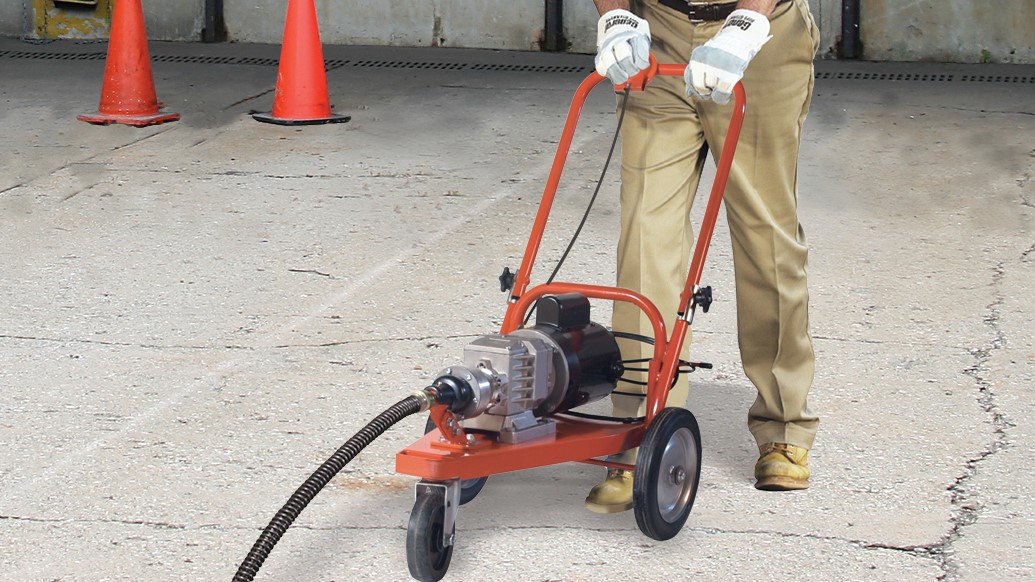
Whether you’re running a Root 66, Rodrunner, K-60, or K-1500, these machines use chuck jaws to grip the cable and spin it, sometimes at speeds of 700 RPM.
Because the chuck jaws tend to accumulate dirt and grime, it is important to disassemble the whole mechanism, clean and rinse all of the parts, and then lubricate with marine grease before reassembling. A key work habit to develop is to clean and lubricate these machines every month to maximize your investment.
Let’s Review!
To review the work habits discussed in this blog post:
- Soak a rag in Snake Oil and clean sectional drain cables as they come out of the pipe.
- Set up routine maintenance schedules for your sectional machines to clean and lubricate regularly.
Regularity is the key to maintenance! If you forget to wipe down your cables after a job on Friday, they will be rusty and acid-damaged by Monday.
For more information about establishing tool maintenance habits that will save you time and money, call the Drain Brains at 800.245.6200, or visit drainbrain.com.
Check this space for tool maintenance tips focusing on high-pressure water jetters.
FAQ: Sectional Drain Cleaning Machine Maintenance
What’s the best way to clean sectional drain cables?
Use the rag-and-Snake-Oil method. Wipe each section thoroughly after every use to remove corrosive residue and apply lubrication.
How often should I clean my sectional drain machine?
Perform a deep clean and grease routine once a month. Pay special attention to the chuck jaws and contact points.
Is it okay to spray lubricant on cables instead of wiping them?
Spraying is better than nothing, but it doesn’t clean the cable. Wiping ensures complete contact and removes grime.
What happens if I skip maintenance after a chemical-heavy job?
Corrosive residues can damage your cables within days. Rust, brittleness, and breakage can occur quickly if cables aren’t regularly wiped down and lubricated.