Check Out Our Latest Promotion
The toughest tools down the line.™
Products
Support
Resources
Registration & Warranty
Tool Selector
General’s water jetters are ideal for clearing soft stoppages and ice from clogged drain lines and sewer lines. They use a stream of high-pressure water that hits the stoppage and flushes it away. The thrust of the nozzle drives the hose down the line and gives you wall to wall cleaning action. You’ll find plenty of uses for General’s sewer jetters – in restaurants, hotels, hospitals, shopping malls, factories, schools, apartment complexes and septic systems everywhere.
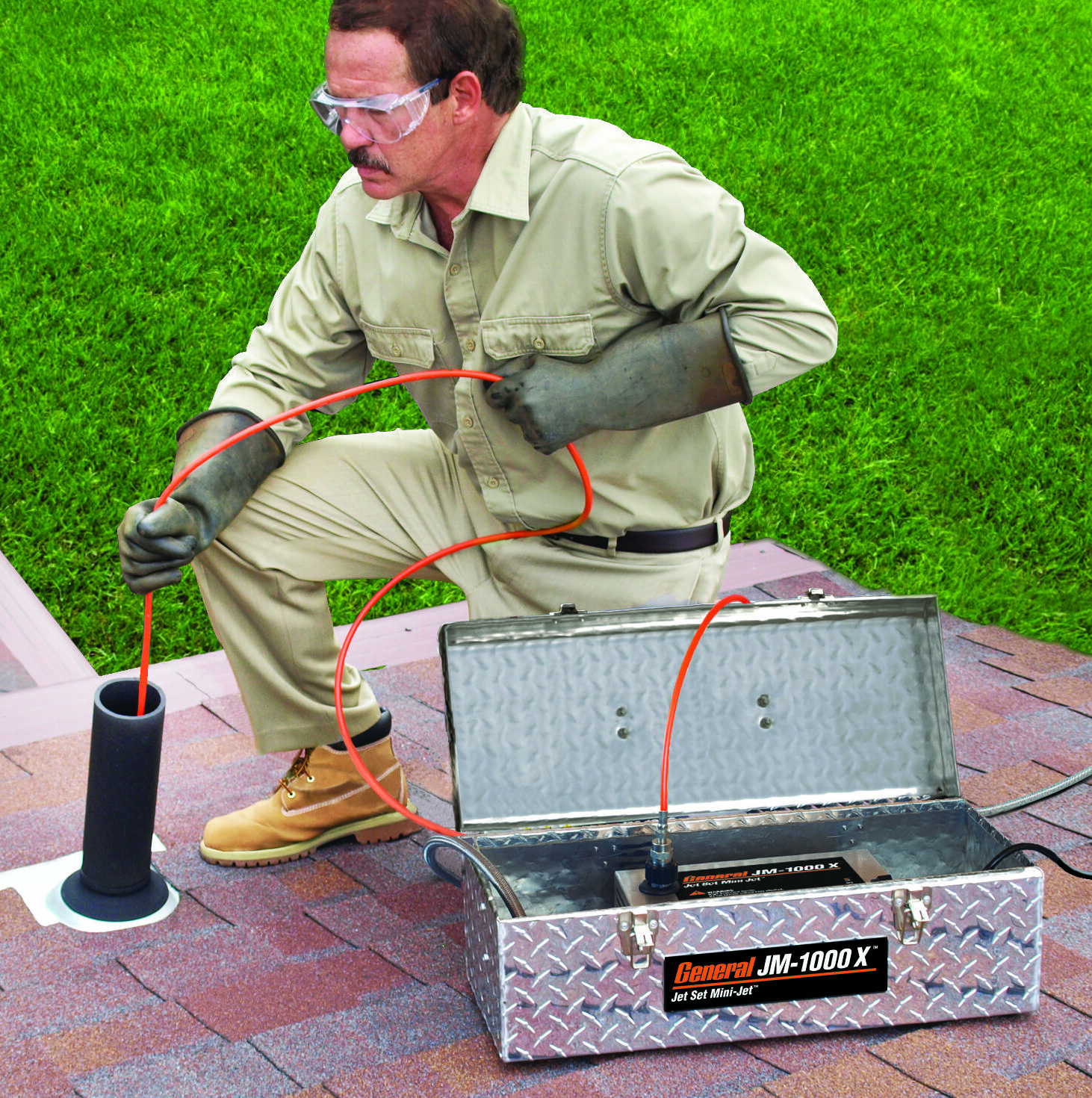
Mini-Jet – Mini Price
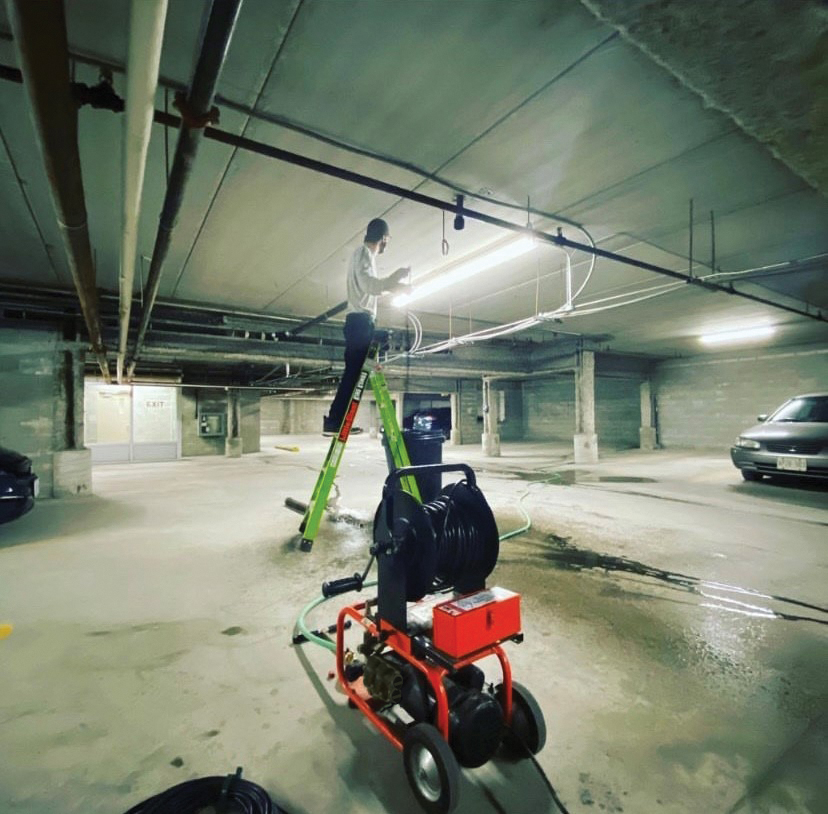
Compact, Portable, Powerful
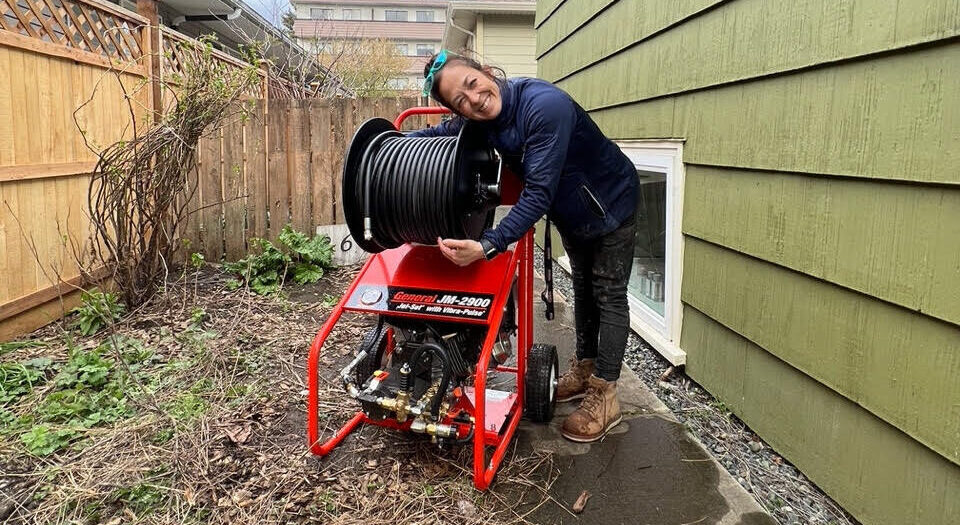
Big Gas Jet at a Bargain Price
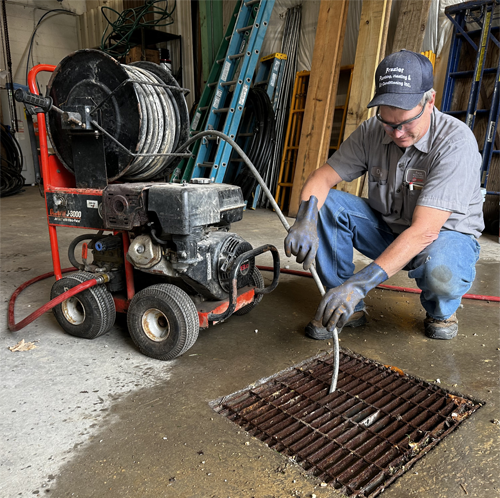
Solid Performance in the Toughest Conditions
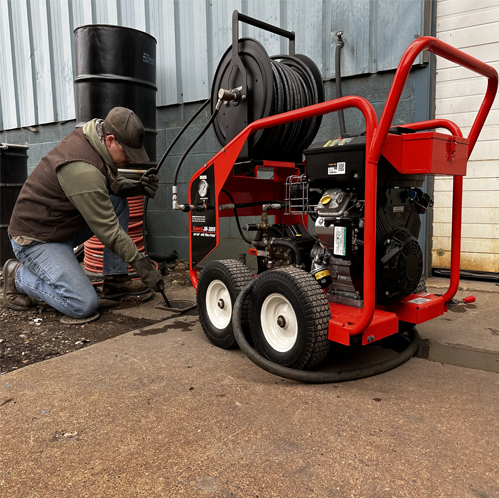
The Most Flow You Can Get Without a Holding Tank
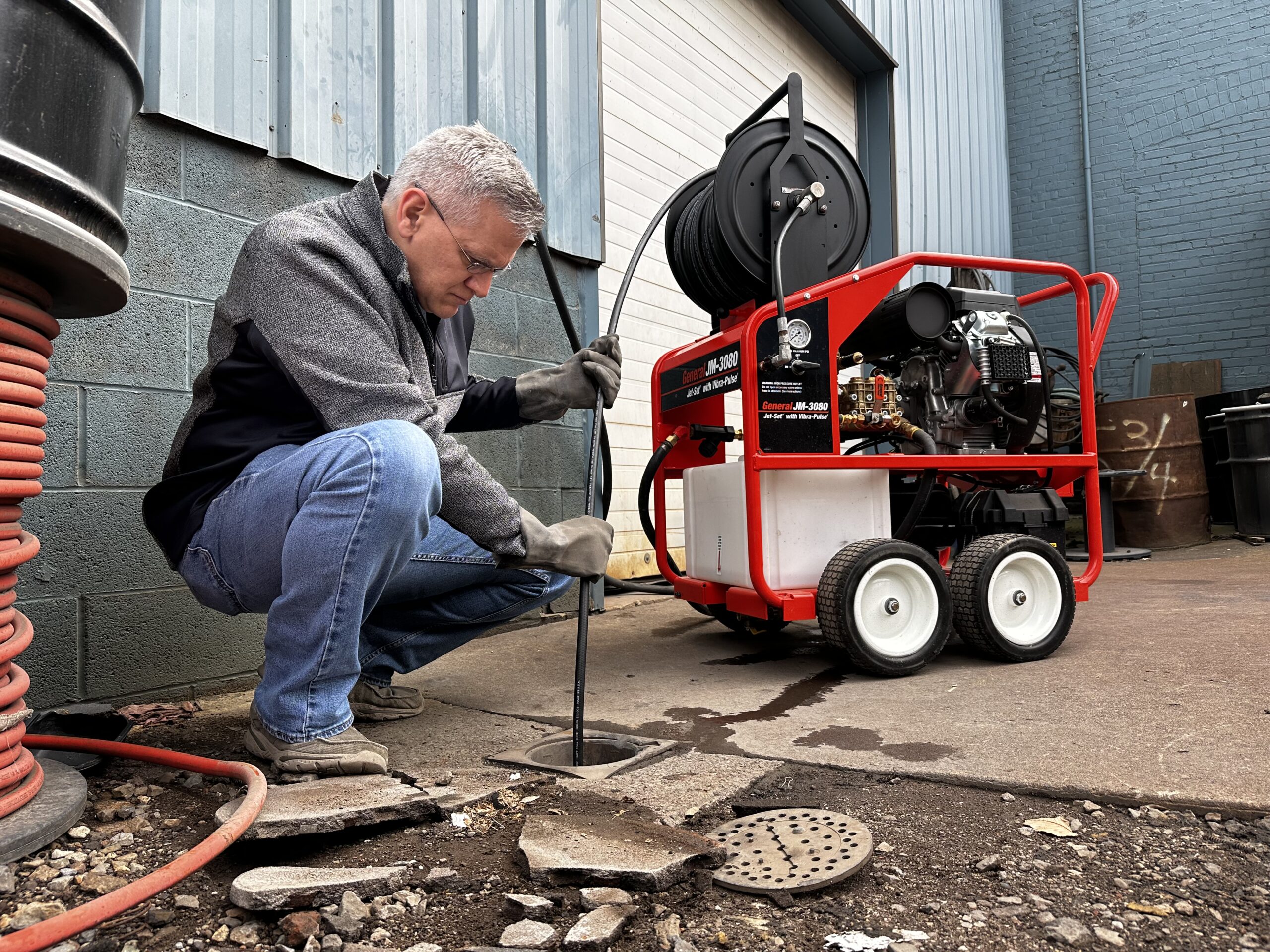
Get High Water Flow Without a Trailer
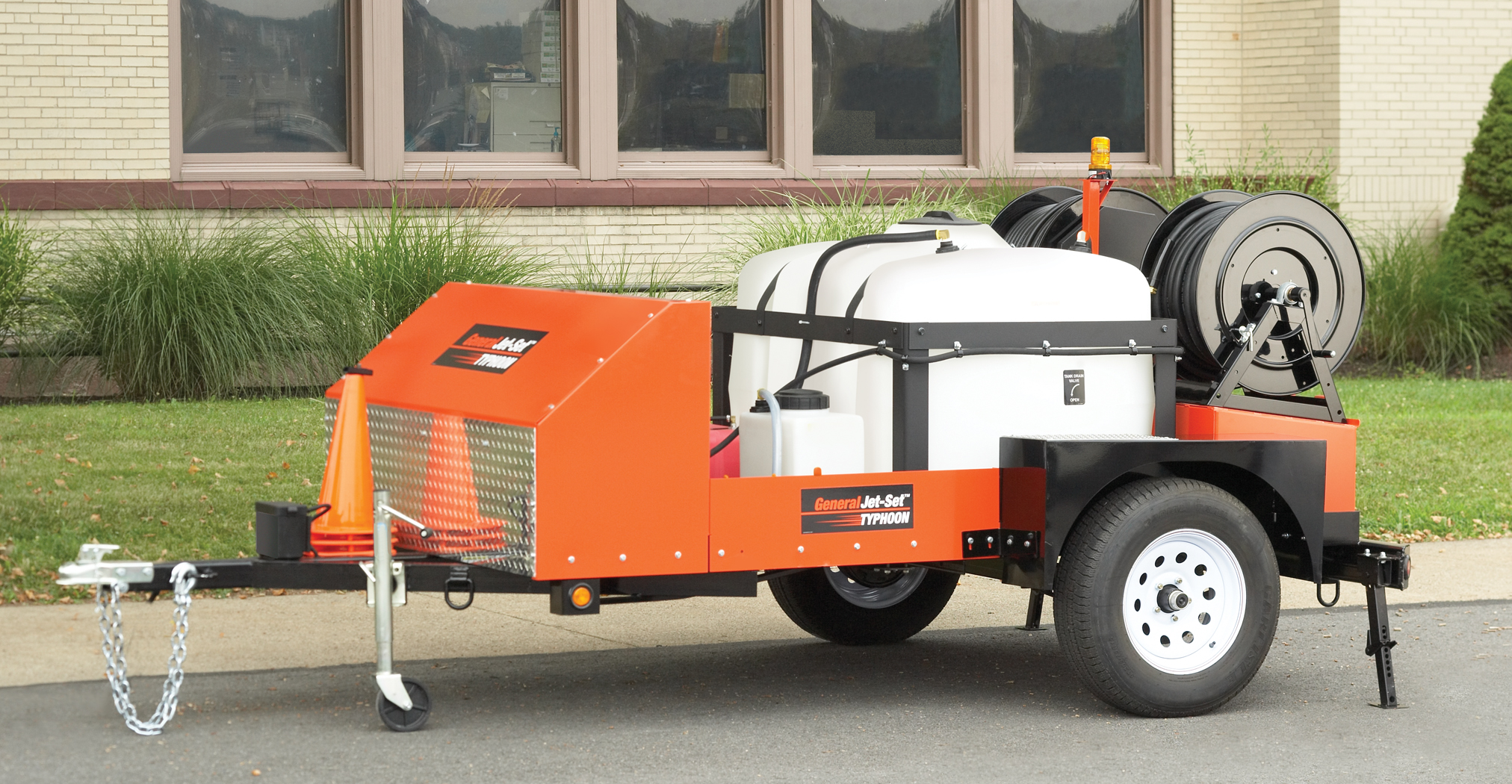
Big Jet Cleaning Power a Compact Package
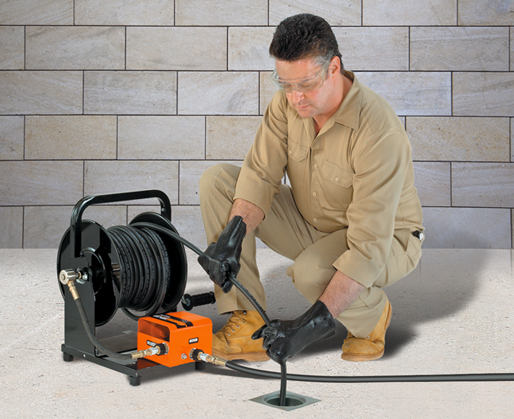
Accessories for Water Jet Drain Cleaners
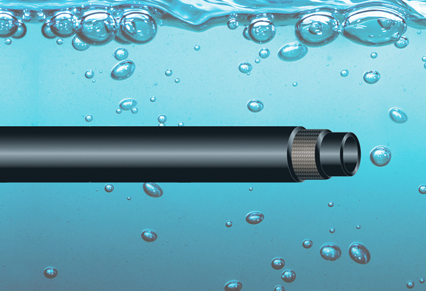
Tough, Durable Jetter Hose
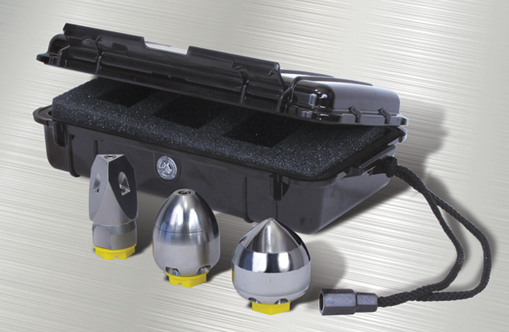
The Right Jetting Nozzle for the Job
Water jetters, also called hydro jetters or sewer jetters, are professional drain cleaning machines that use a high-pressure stream of water to break up and flush out soft stoppages, grease buildup, sediment, sludge, sand, and ice from drain lines and sewer pipes. Unlike cable drain cleaners that punch through clogs, water jetters scour the inside of the pipe wall to wall, clearing the line and helping prevent the same blockage from forming again.
For plumbers, drain cleaning contractors, facility managers, and municipal crews, owning the right water jetter often means turning recurring service calls into long-term clean lines, and turning soft stoppages from an hourly battle into a routine maintenance task.
A water jetter pumps water through a high-pressure hose to a specialized nozzle. The nozzle has a forward-facing orifice that breaks up the stoppage and several rear-facing jets that propel the hose down the line while scouring the pipe walls. The result is a fully cleaned pipe rather than a hole punched through a clog. Many General water jetters also feature Vibra-pulse, a pulsing action that reduces friction so the hose travels farther through long runs and tight bends.
Cable machines are excellent for hard stoppages like roots and certain types of debris, but they tend to drill through a clog rather than remove the underlying material. A water jetter is the better tool when you are dealing with:
For tree root intrusion, a chain saw or root cutting nozzle can rip through roots at speeds up to 10,000 RPM, and on tougher root jobs many contractors will pair a cable machine with a water jetter for a complete cleaning.
Two specifications drive water jetter performance: pressure, measured in PSI (pounds per square inch), and flow, measured in GPM (gallons per minute). PSI breaks up the stoppage. GPM flushes the debris out of the line. Larger lines and longer runs need more of both. A simple field guide:
General sewer jetters are at work every day in restaurants and commercial kitchens, hotels and resorts, hospitals and medical centers, schools and universities, shopping centers and malls, apartment complexes and multifamily housing, manufacturing plants, food processing facilities, municipal sewer departments, septic service companies, RV parks, marinas, and property management companies. Anywhere a building has drain lines, a water jetter has a job to do.
Every General water jetter is engineered for daily contractor use, with rugged frames, flat-free tires, removable hose reels, electric start gas engines on larger models, and accessories like the Cart-Reel for indoor work and the Handy-Reel for rooftop vent cleaning. Backed by U.S. based support from the Drain Brains, General water jetters are tools built to earn their keep on the truck.
A water jetter is a drain cleaning machine that uses a high-pressure stream of water, typically between 1500 and 3000 PSI, to break up and flush stoppages out of drain and sewer lines. Water travels through a hose to a specialized nozzle with forward and rear-facing orifices. The forward jet cuts the clog, the rear jets propel the hose down the line, and together they scour the pipe walls clean instead of just punching a hole through the blockage.
Electric water jetters are compact, lightweight, and safe to operate indoors because they produce no exhaust. They typically generate 1500 PSI at 1.4 to 1.7 GPM and are ideal for sink lines, lavatory lines, and small drains from 1-1/2″ to 4″. Gas water jetters deliver much more pressure and flow, usually 3000 PSI at 4 to 8 GPM, and are built for larger lines from 3″ to 10″. Gas units must be run outdoors or properly vented because of engine exhaust.
Use a water jetter for soft stoppages: grease, sludge, sand, silt, scale, ice, and food waste. Use a cable machine for hard stoppages, particularly heavy root intrusion. Many drain cleaning professionals carry both. They first run a cable to open the line, then follow with a jetter to scour the pipe wall to wall. The combination delivers a fully cleaned pipe rather than just an open path through the clog.
General water jetters cover the full range of residential and commercial line sizes. Compact electric units clean 1-1/2″ to 4″ lines. Mid-size gas jetters handle 3″ to 6″ lines up to several hundred feet long. Larger gas and trailer jetters clean 6″ to 10″ lines up to 600 feet long, which covers most municipal, industrial, and large commercial sewer work.
PSI cuts the clog, GPM moves the debris out of the line. As a general rule, the bigger the pipe and the longer the run, the more flow you need. A residential kitchen sink line is well served by 1500 PSI at 1.4 GPM. A long 8″ municipal sewer line needs 3000 PSI at 5.5 GPM or more. Underspeccing GPM is one of the most common mistakes contractors make when purchasing their first water jetter.
Yes, with the right nozzle. Chain saw nozzles spin at up to 10,000 RPM and shred roots inside the pipe, while penetrator and root cutting nozzles bore through dense root masses. For severe root intrusion, many professionals make a first pass with a cable machine fitted with a root cutter, then finish with a jetter to flush the debris and restore full pipe diameter.
Vibra-pulse is General’s pulsing technology that adds a rapid pulsation to the water flow. The pulse reduces friction between the hose and the inside of the pipe, which lets the hose travel farther down the line and around tight bends. On long runs and older, rougher pipes, Vibra-pulse often makes the difference between reaching the stoppage and getting stuck halfway there.
Not directly. Gas engines produce carbon monoxide and must be operated outdoors or in a fully vented space. To run a gas jetter for indoor work, use the Portable Cart-Reel. The engine and pump stay outside while the reel and hose come inside through a door or window, giving you full gas jetter cleaning power without the exhaust hazard.
Most electric and gas jetters connect to a standard garden hose bib or to a tank with a transfer pump. When there is no water source available on site, a trailer jetter like the JM-2512 Typhoon carries its own 200 gallon holding tank, so you can run long jobs at remote locations, parking lots, undeveloped properties, and rural service calls.
Start with the lines you clean most often. If you mostly work on residential and small commercial sink and lavatory drains, an electric jetter pays for itself quickly. If you run larger commercial sewer and main line work, a gas jetter in the 3 to 8 GPM range will cover most jobs. If you handle municipal, industrial, or remote work without ready water access, a trailer jetter is the right tool. Not sure? Use the Pro Tool Selection Guide or chat with a Drain Brain.