Check Out Our Latest Promotion

The toughest tools down the line.™
Products
Support
Resources
Registration & Warranty
Tool Selector

Gen-Eye cameras identify problems, pinpoint locations, and determine digging depth, keeping quotes competitive and customers happy. They save time and money while troubleshooting 1-1/2” to 10” lines in residential and commercial settings. With advanced technology, you can diagnose issues, share findings, and provide accurate quotes for faster turnarounds.
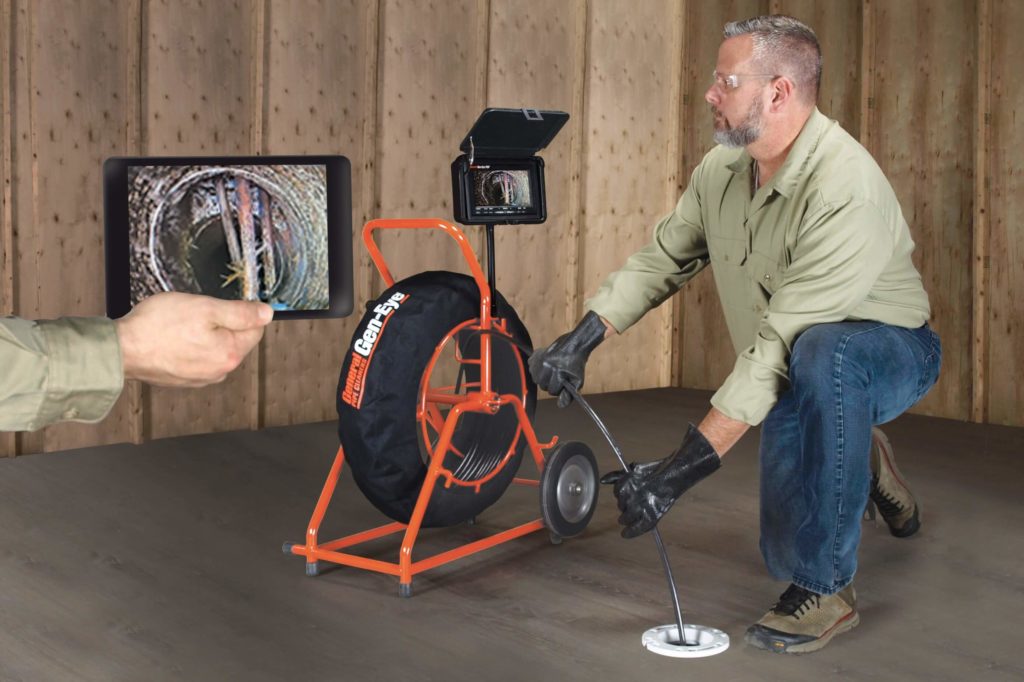
With Wi-Fi Inside
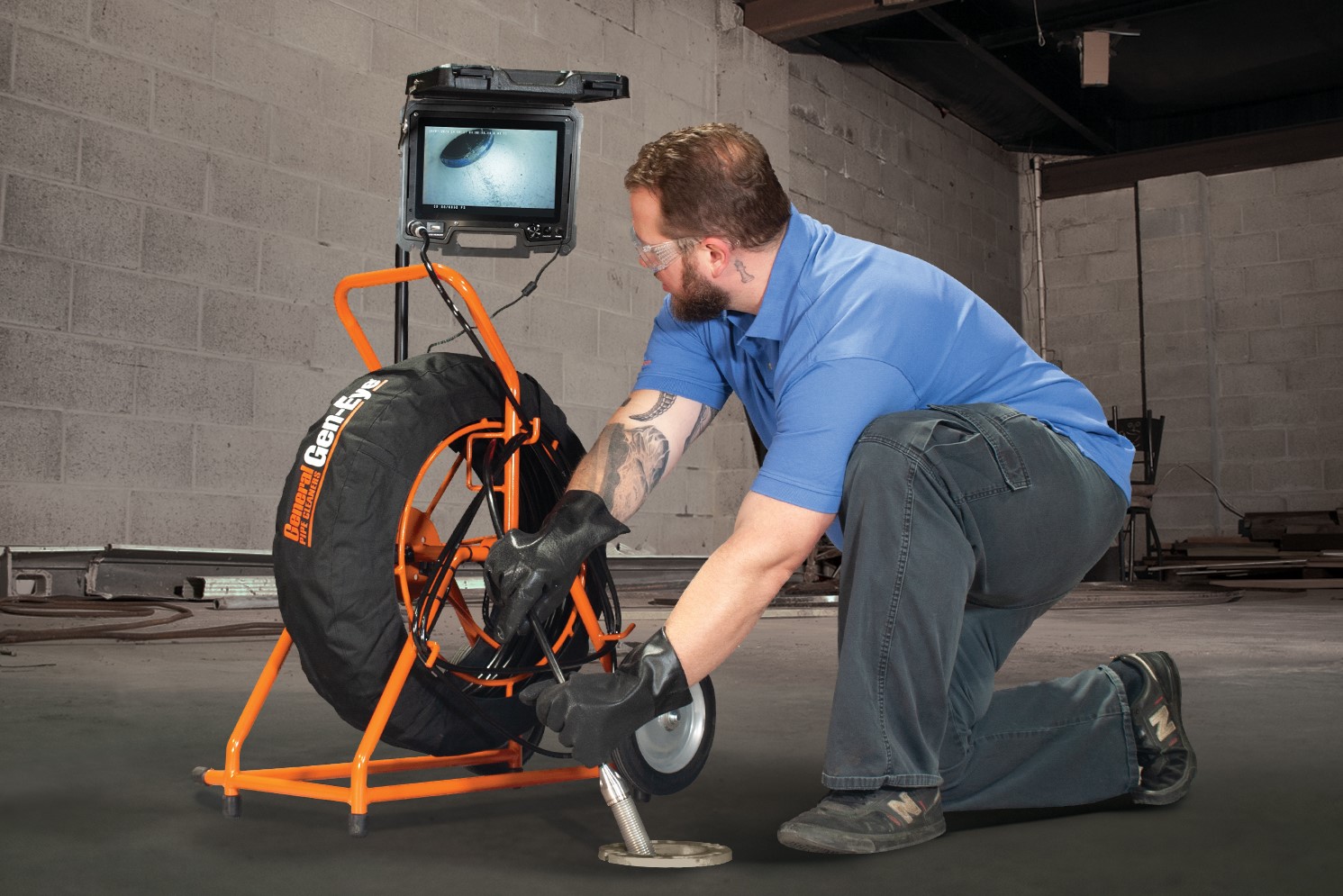
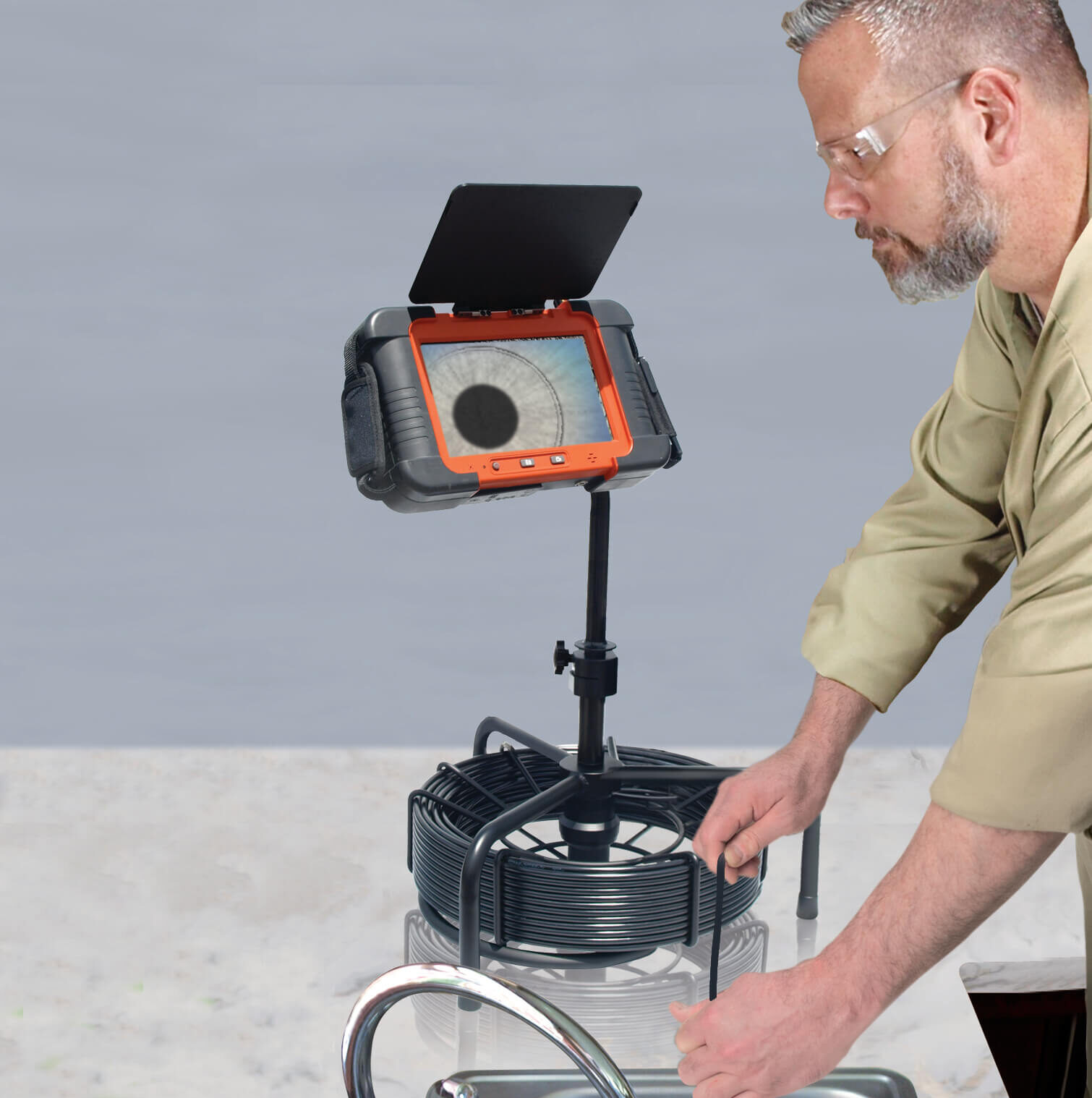
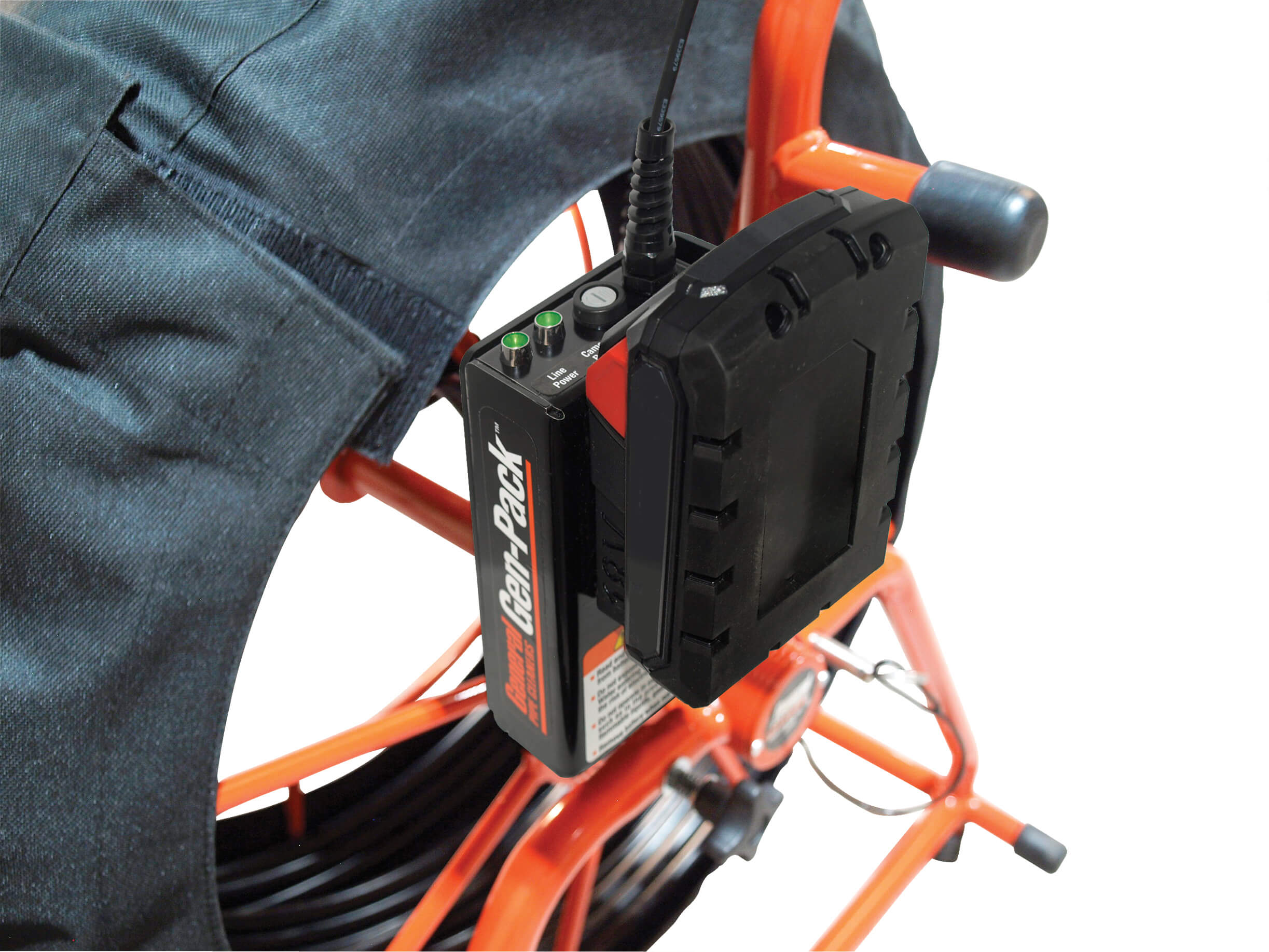
Cut the cord and keep on working
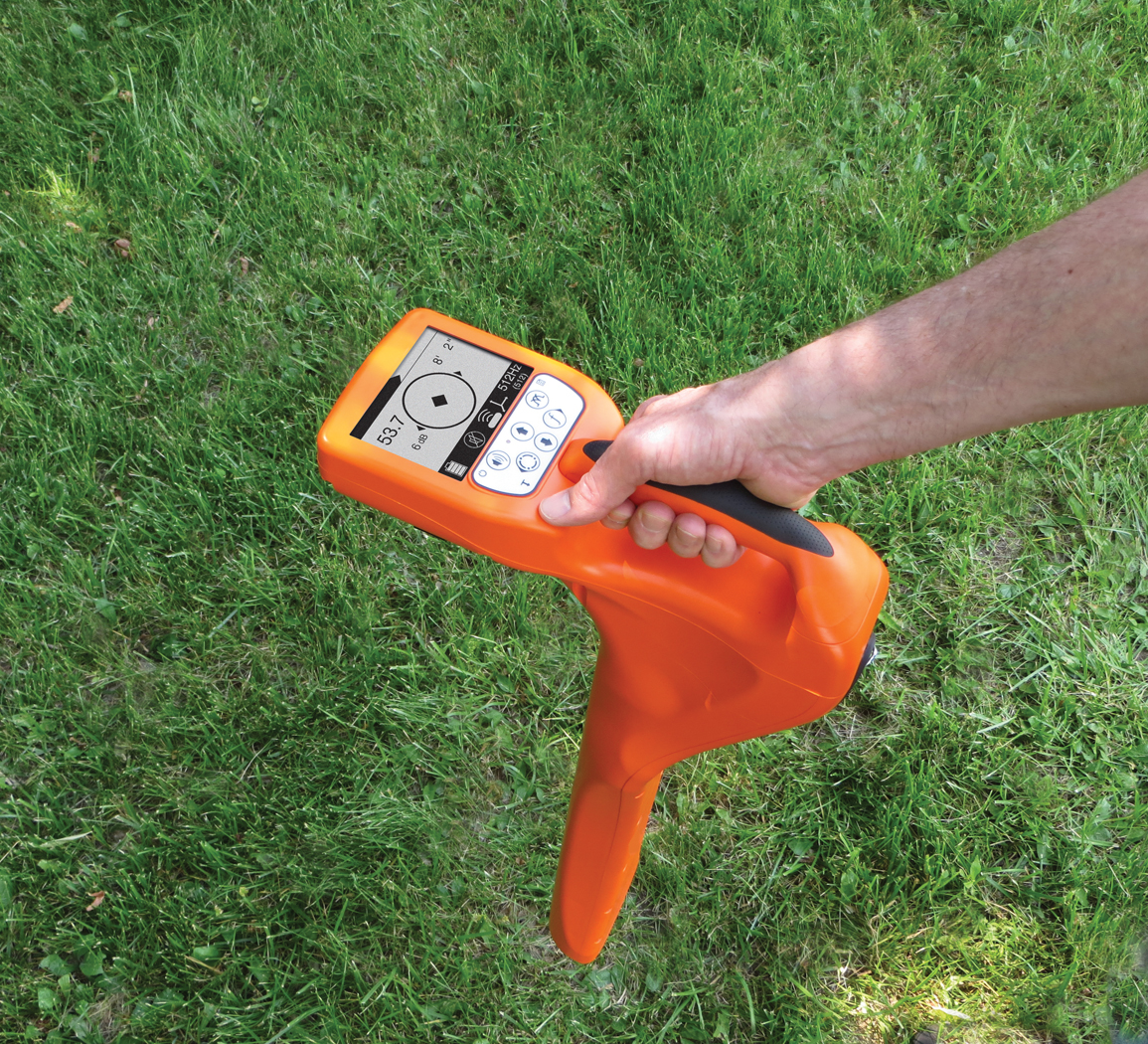
Industry’s most rugged locator
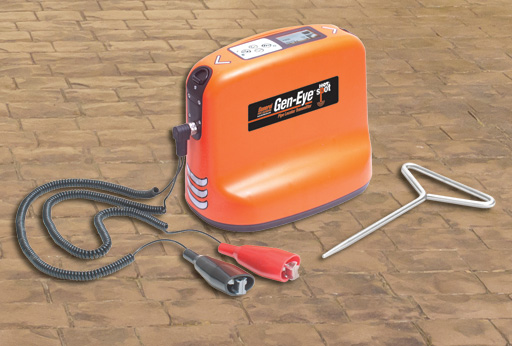
More Power Means More Signal
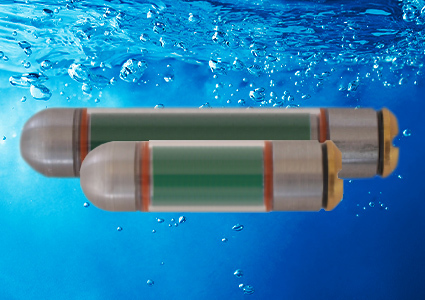
A Simple Solution to Locate Lines
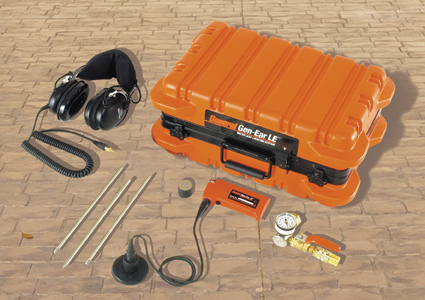
Unlock the Power of Precision Leak Detection
A sewer line camera helps plumbing professionals see conditions inside a pipe before deciding how to clear, repair, or access the line. A pipe locator adds surface position and depth information so crews can move from identifying a problem to planning the next step with greater confidence.
The right inspection setup depends on the pipe diameter, run length, access point, image and recording requirements, locating method, and whether the crew needs cordless operation. General Pipe Cleaners offers professional camera systems, reels, locators, transmitters, sondes, and leak-detection equipment for different inspection and locating applications.
A sewer inspection camera is used when the crew needs visual confirmation inside the line. It can reveal roots, cracks, corrosion, separated or offset joints, scale, debris, standing water, and other conditions that may be hidden beyond a stoppage. The camera helps confirm whether the problem is isolated or likely to return until the underlying pipe condition is addressed.
Before selecting a system, consider the smallest and largest lines the crew inspects, the typical distance from the access point, the number of bends, the need for self-leveling video, and how the findings will be documented. A compact reel is easier to carry into tight service areas, while a full-size reel provides greater push-rod capacity for longer runs and larger pipes.
General’s camera options support several common inspection ranges:
The camera shows what is happening inside the pipe. The locator helps determine where the camera head is from the surface. Used together, they support a complete diagnosis, document, and locate workflow.
The Gen-Eye Hot-Spot Pipe Locator can locate inspection cameras and sondes using clear on-screen icons and a total-field antenna array. Once the problem area is visible on the camera screen, the technician can use the locator to mark the position and support targeted access, excavation, or repair planning.
A sonde is a compact transmitter that moves through the pipe and creates a point signal that the locator can follow. It is useful when the crew needs to trace a nonconductive line or pinpoint a specific location without running a camera.
General’s Gen-Eye Sondes transmit at 512 Hz and can be attached to a drain cleaning cable or another carrier. The Sonde 10 and Sonde 20 provide different locating depths for cast iron, clay, and plastic pipe.
A Hot Spot Transmitter is used to energize an accessible conductive line so the locator can trace its route. Crews can use direct connection, induction, or an optional clamp, then select the frequency and output level that best fit the line and job conditions.
Clear inspection records help turn video into usable job information. Record the access point, overall pipe condition, the issue area, and the distance traveled when the problem appears. When clearing work is completed, a short before-and-after clip can help confirm the result.
Systems with internal recording, USB storage, Wi-Fi streaming, snapshots, distance information, and on-screen job text make it easier to organize files and communicate findings. This supports more accurate estimates, cleaner handoffs, and fewer follow-up questions after the inspection.
A sewer camera and pipe locator are designed to inspect and locate conditions in drain and sewer lines. A Gen-Ear LE water leak locator serves a different purpose. It listens for pressurized-water leaks under hard or soft surfaces using sensors, probe rods, preset audio filters, and noise-canceling headphones. Choosing the correct diagnostic category prevents crews from using the wrong tool for the problem.
General Pipe Cleaners inspection and locating equipment is built for repeated professional use, with durable frames and cases, jobsite-friendly controls, flexible recording options, and equipment designed to work together. For help matching a camera, locator, transmitter, or sonde to the lines your crews inspect most often, use the Pro Tool Selection Guide or contact the Drain Brains.
A sewer line camera is used to inspect the inside of drain and sewer pipes so plumbing professionals can identify blockages, roots, cracks, corrosion, offset joints, scale, standing water, and other hidden conditions. A professional pipe inspection camera helps confirm the cause and location of the problem before clearing or repair work begins.
Match the camera head, reel, and push-rod capacity to the smallest and largest lines your crews inspect. The Gen-Eye POD uses a full-size reel with 200 ft. of Gel-Rod for 3″ to 10″ lines, while reel capacity, camera configuration, and line length determine how far the camera can travel and which setup best fits the inspection.
A sewer camera provides a visual of pipe conditions. A pipe locator detects the signal from a camera transmitter or sonde so the technician can identify the surface position and support depth or access planning. The camera answers what is wrong; the locator helps answer where it is.
Use them together when an inspection must lead to targeted access or repair planning. The camera identifies the condition, and the Gen-Eye Hot-Spot Pipe Locator helps mark the camera head’s position from the surface. This reduces guesswork when planning excavation or another focused repair step.
Many professional camera heads include a transmitter that emits a specific frequency, commonly 512 Hz. The Hot-Spot Pipe Locator follows that signal and uses directional icons to guide the technician toward the strongest response and the camera’s position.
A sonde is a compact battery-powered transmitter that is pushed or pulled through a pipe. Gen-Eye Sondes are useful for locating cast iron, clay, or plastic lines when a visual camera inspection is not required. They can be attached to a drain cleaning cable or another carrier and tracked with a compatible locator.
A line transmitter applies a signal to an accessible conductive pipe so a locator can follow its route from the surface. The Hot Spot Transmitter supports direct connection, induction, and optional clamp methods, with selectable frequencies and output levels for different line conditions.
Record the access point, general pipe condition, the problem area, and the distance traveled when the issue appears. A system such as Gen-Eye Fusion also supports snapshots, internal or USB recording, Wi-Fi streaming, and on-screen job text so footage remains organized and useful for estimates and planning.
Yes, when the camera system supports cordless operation. The Gen-Eye Gen-Pack battery adapter is designed for inspections in remote locations or service areas with limited power access and can provide up to 12 hours of operation with a compatible battery, depending on battery capacity and system settings.
A pipe locator follows a transmitted signal to identify the route or position of a pipe, camera head, or sonde. A Gen-Ear LE water leak locator listens for the sound of escaping water in pressurized lines. The two tools solve different diagnostic problems and should be selected by the condition being investigated.